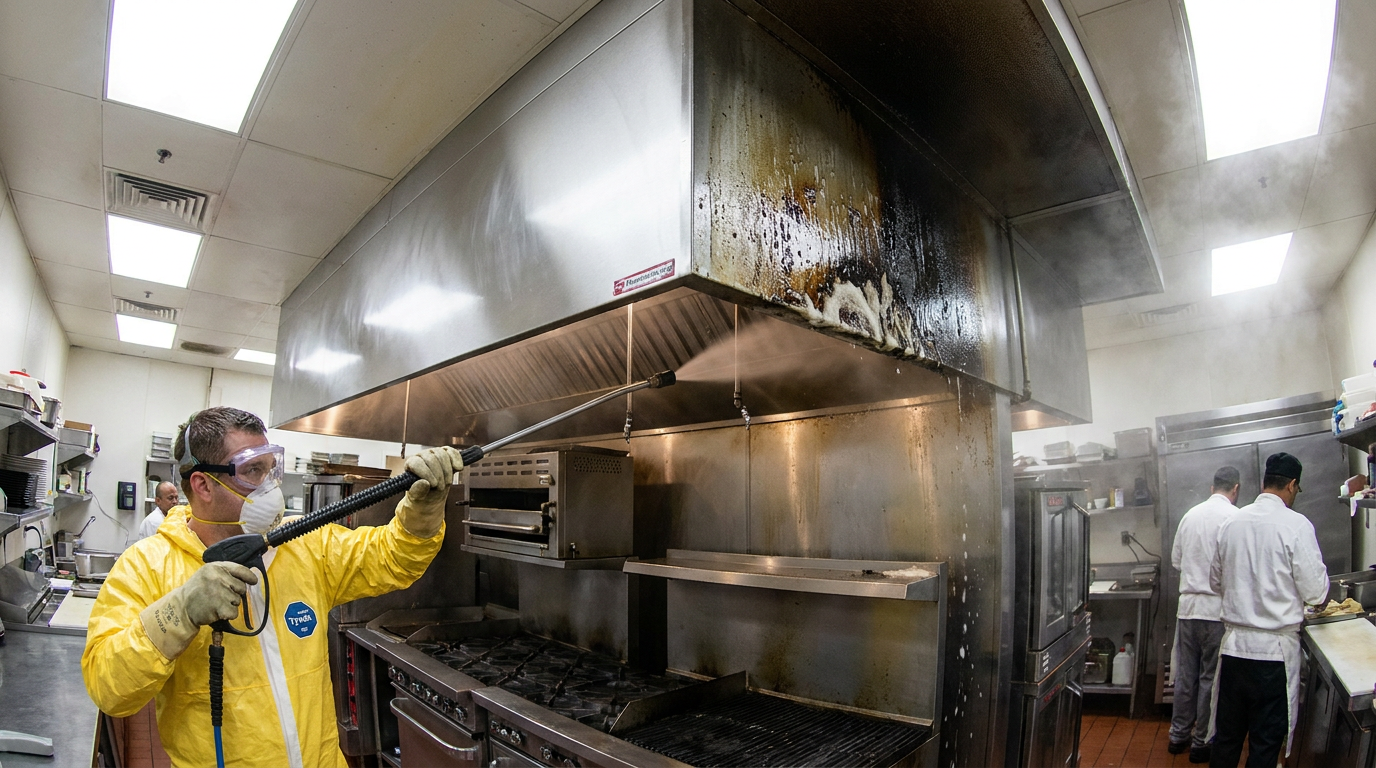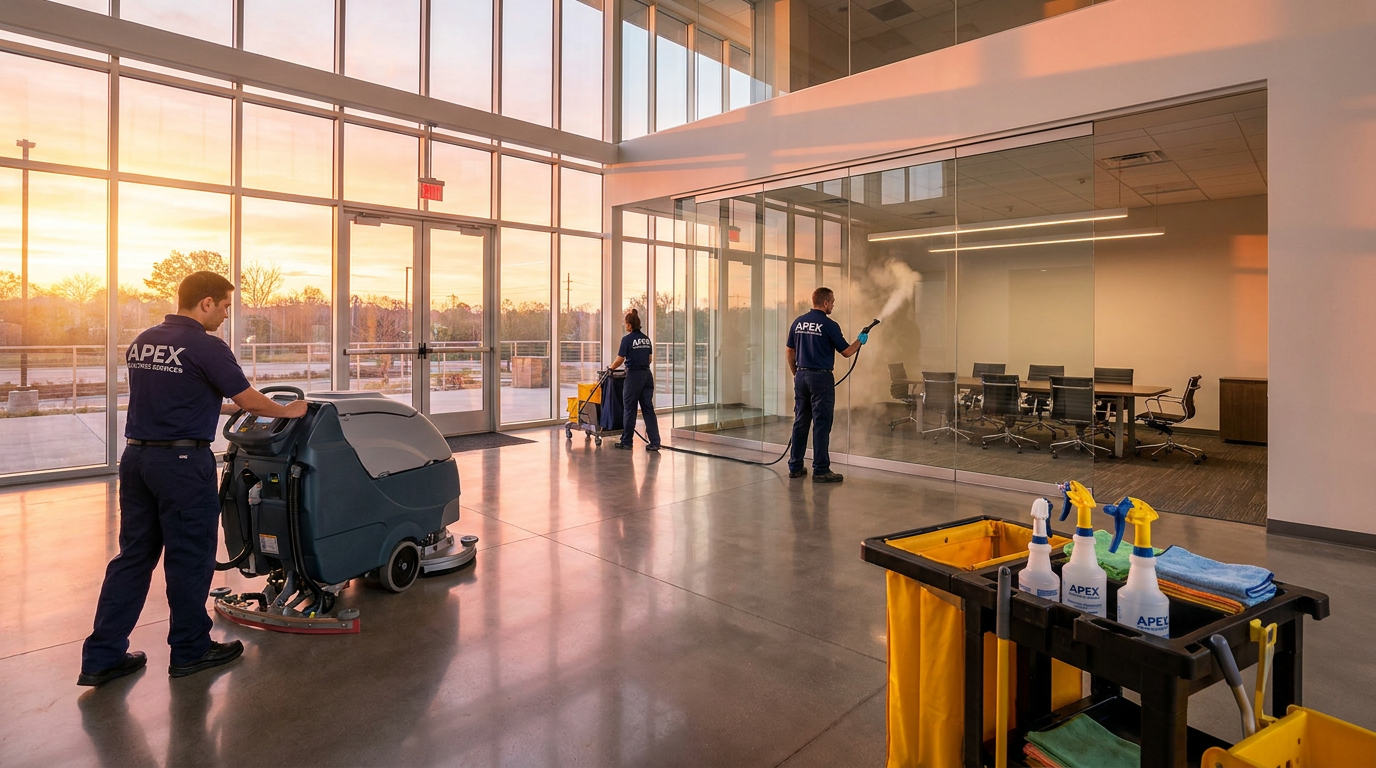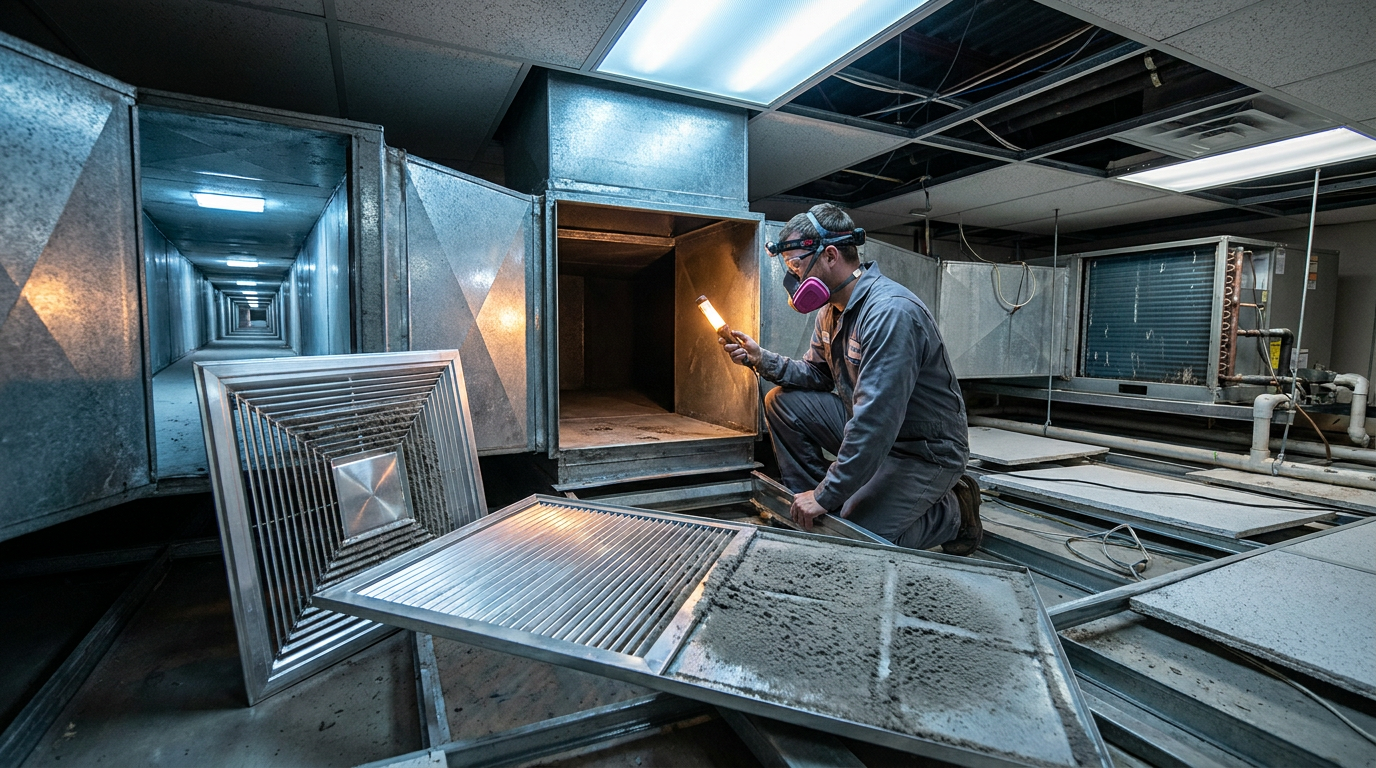
Grille cleaning addresses one component: the visible register, grille or diffuser. HVAC system cleaning refers to a longer list of components. A per-vent rate alone does not define which components are included, so the written scope should name each one as included, excluded or inaccessible before work starts. [4] [1] [2] [3]
Key Points
- Ask which components your quote covers, and get the answer in writing.
- Ask how excluded or inaccessible components will be recorded.
- Ask which cleanliness-verification method the bidder proposes.
- Gather air handler and coil documentation from your facility records for the bidder.
What is the difference between vent cleaning and system cleaning?
EPA describes duct cleaning as covering the supply and return air ducts and registers, grilles and diffusers, heating and cooling coils, condensate drain pans, fan motor and fan housing, and the air handling unit housing. That page is written for homes, not offices, but the component list is a useful starting point. EPA also says to make sure the service provider agrees to clean all components of the system.
So the question of vent cleaning versus air duct cleaning is really a question of how many items on that list your quote covers. [1] [4]
What does MB list for commercial air duct cleaning?
MB's commercial air duct cleaning page lists "Mechanical agitation of all supply and return duct runs" and individual cleaning of registers, grilles and diffusers. It also lists "Accessible plenum and air handler cleaning" and before-and-after photographic documentation, plus a post-cleaning system test and airflow verification.
Three points need written confirmation:
- Air handler detail. The page does not spell out which air handler parts are covered. Ask whether blower, coil and drain pan are in or out. [1]
- Coils. MB's Boca Raton service page explicitly includes coil cleaning. Ask whether coils are included for your property and get that answer in the proposal.
- "Accessible." The page limits plenum and air handler work to accessible areas and does not define the term. The proposal should. [1]
The page also does not name a specific cleanliness-test method, so settle that in the contract. [1]
Which documents should the bidder work from?
Ask your facility team or mechanical contractor for the manufacturer documents covering your air handlers and coils. Share them with the bidder and ask which equipment-specific access or cleaning restrictions the proposal needs to address.
NADCA's ACR 2021 standard calls for inspections before and after HVAC cleaning and restoration projects.
The same standard directs the use of building floor plans and mechanical plans, when available, during inspection, cleaning and restoration work. Ask the bidder to identify the standard and edition it proposes to use for your project. [8]
The same standard's scope does not include mechanical repair of electrical or pneumatic components. Ask that any repair work a bidder proposes be scoped and priced as its own line.
Ask which verification method the bidder proposes, what it will demonstrate and what documentation you will receive. If your concern involves suspected mold, ask about the scope of that assessment separately. EPA's homeowner guidance explains that confirming mold requires expert judgment and may involve laboratory analysis.
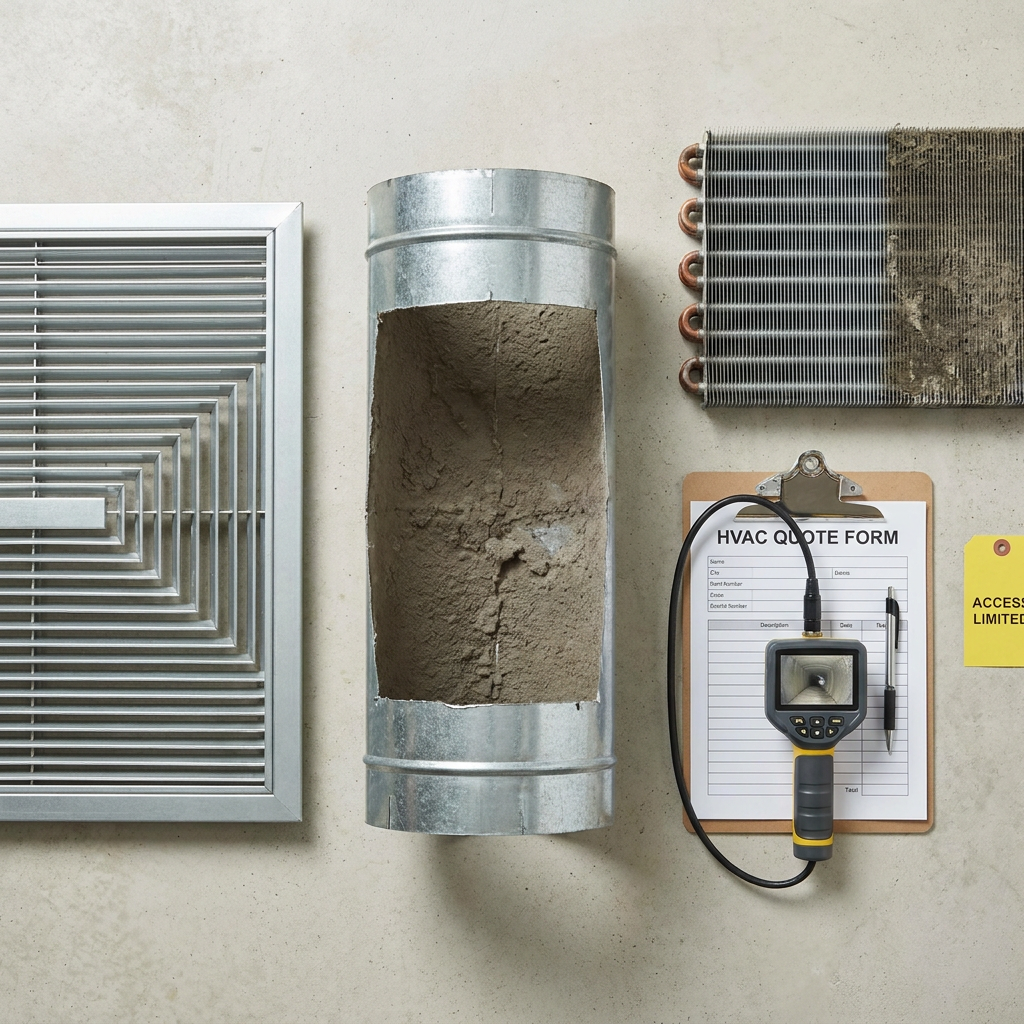
A component worksheet for comparing proposals
The following worksheet offers questions and optional administrative records to discuss with a bidder. It does not prescribe technical inspection methods or commercial cleanliness criteria. Adapt the rows to your building and agree which records will be delivered.
| Component | Decide in writing | Optional record to request |
|---|---|---|
| Grilles, registers, diffusers | Count and cleaning method | Photos by location |
| Supply and return ducts | Which runs and access points | Before-and-after photos of agreed duct sections |
| Plenums | Which areas are accessible and included? | Photos of agreed areas; an administrative note for anything excluded |
| Air handler interior, blower | In or out | Before-and-after photos |
| Coils | Included, excluded, or a separate service? | Ask which coil faces can be photographed |
| Drain pans | Included, excluded, or a separate service? | Photos of accessible drain-pan surfaces |
| Dampers, flexible or lined duct | In or out | Existing-condition notes |
How should the work plan handle inaccessible areas, occupied spaces and damage?
Inaccessible components. Ask which components the bidder cannot reach and what that means for the proposed work. An optional project record could identify the component, the access limitation and any follow-up decision. If extra access is proposed, ask who would authorize it, who would perform the work and how any restoration would be handled.
Occupied areas. NADCA says that during an inspection, appropriate engineering controls shall be used to manage the general workspace environment. Ask the bidder how its proposed controls and schedule will address occupied areas. Ask your building manager which building access rules, working hours and safety-system arrangements the bidder needs to discuss.
Pre-existing damage. One provider's scope guidance says a proposal should include suggestions for damaged or frayed ductwork, ductwork liners, flexible boots and flexible duct. For your own project records, you can propose a photo-and-note log of visible pre-existing damage and ask the contractor how additional findings would be reported. This is optional administrative recordkeeping, not a damage-assessment procedure.
What completion evidence should be agreed before work starts?
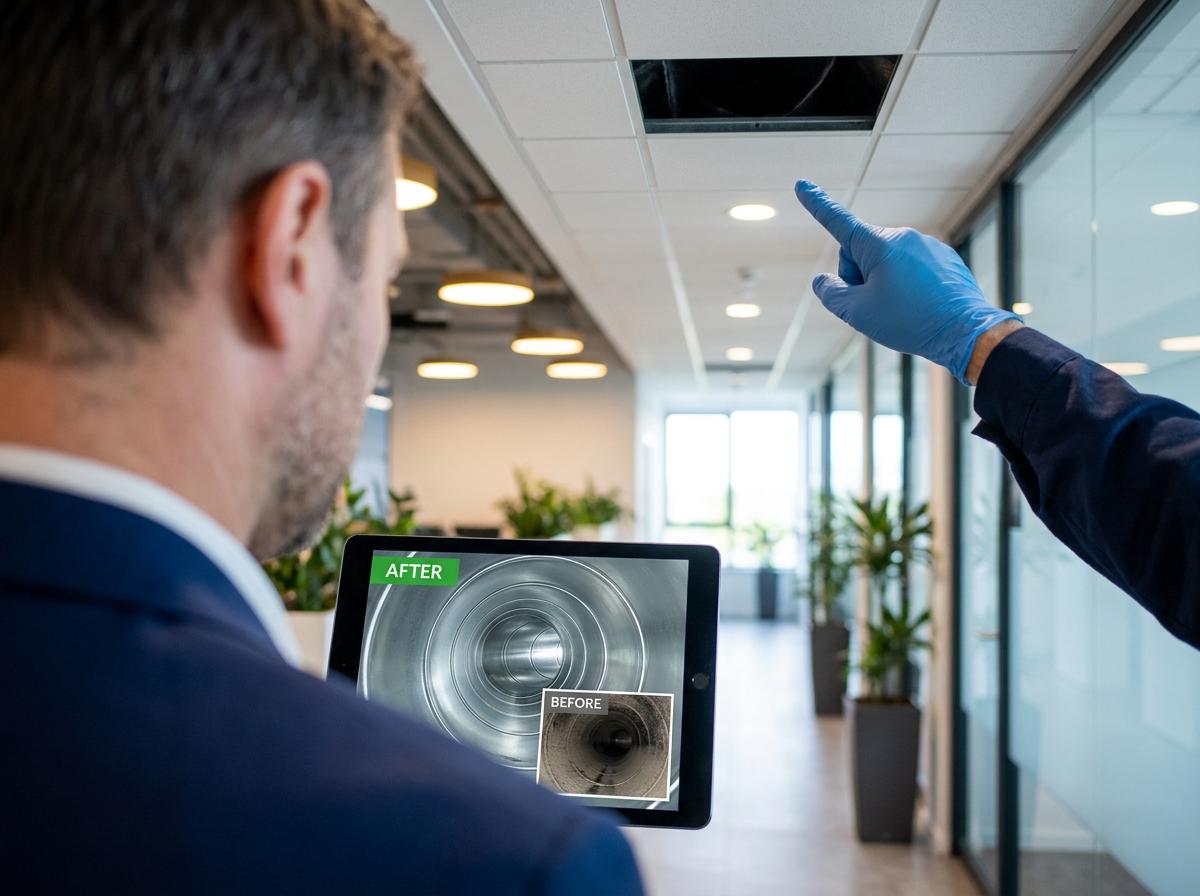
- Photos by component taken from the same vantage points before and after, as one provider's guidance recommends.
- A verification discussion. Ask which method the bidder proposes for this commercial system, why it is appropriate and what findings the final report will include.
- Agreed administrative records. If you request access-limit or condition logs, include them as optional project deliverables alongside the technical verification report.
If a proposal promises health benefits, ask what evidence supports that claim. EPA's homeowner guidance says duct cleaning has not been demonstrated to prevent health problems; it does not establish commercial acceptance criteria.
Next step
To have MB quote an HVAC cleaning project, request an assessment and ask for the filled-in component table, exclusions and completion records in the proposal. Use the free quote page or call (954) 482-5008. [1] [6]