Hotel Cleaning Standards and Best Practices for 2026
HOTEL AND HOSPITALITY CLEANING STANDARDS AND BEST PRACTICES
Complete guide to hotel cleaning standards covering guest rooms, public areas, floor care, and quality control. Learn protocols that boost guest satisfaction.
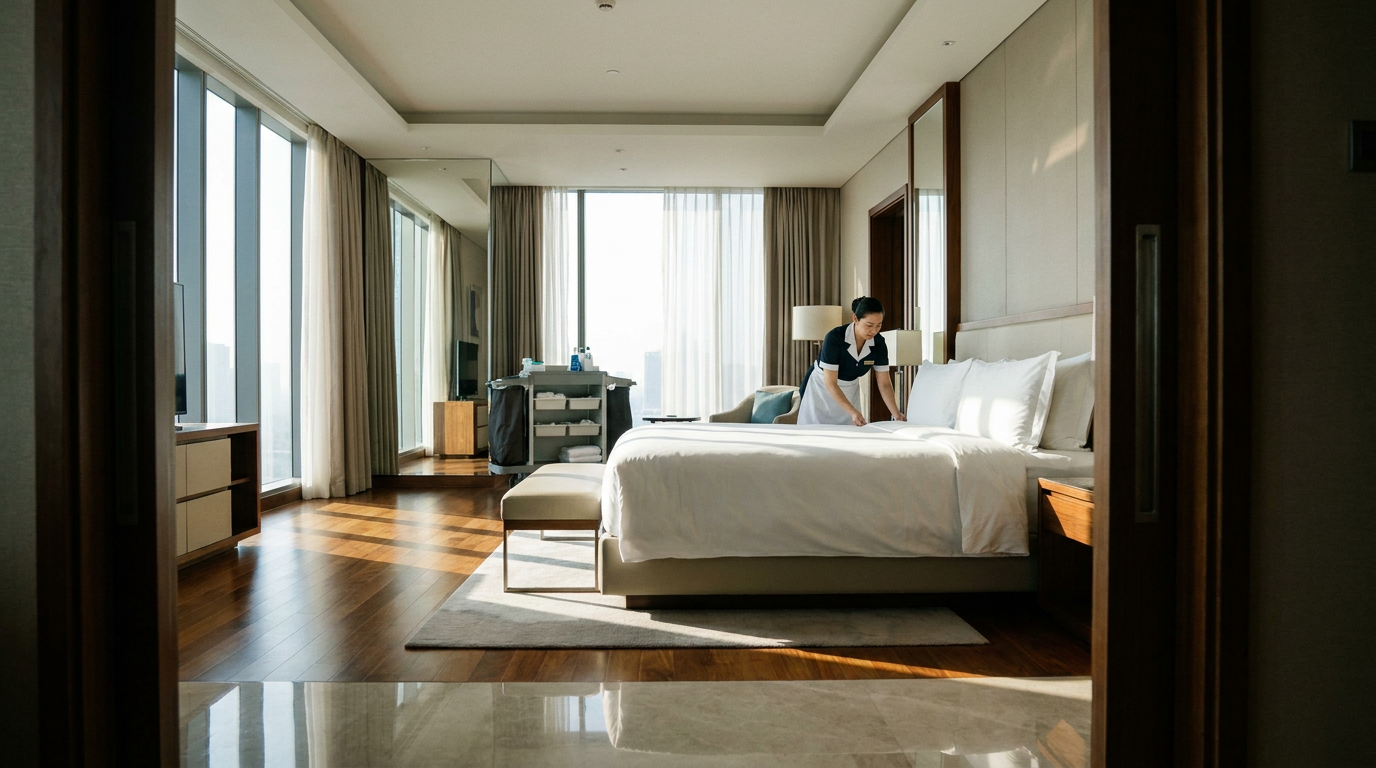
Hotel cleaning standards consist of documented procedures, product specifications, cleaning frequencies, and verification methods that ensure guest rooms, public areas, and back-of-house spaces meet health, safety, and brand requirements. Properties following structured cleaning protocols see 15 to 25 percent higher guest satisfaction scores compared to those relying on informal practices.
- Guest rooms require 25 to 45 minutes per turnover with 14 to 22 high-touch points cleaned each visit
- Public areas need cleaning every 1 to 4 hours based on traffic volume, with lobbies requiring hourly attention
- EPA-registered disinfectants require 1 to 10 minute dwell times to eliminate pathogens effectively
- Floor restoration extends surface life by 3 to 5 years when performed quarterly or semi-annually
- Properties with documented SOPs and inspection checklists report 40 percent fewer guest complaints
Guest Room Cleaning Standards and Protocols
Guest room cleaning follows a systematic approach that addresses every surface, fixture, and amenity. According to the American Hotel and Lodging Association Safe Stay guidelines, housekeeping staff should complete rooms in a consistent sequence to prevent cross-contamination and missed areas. The standard turnover time ranges from 25 to 45 minutes depending on room size and condition.
High-touch surfaces demand the most attention during each cleaning cycle. These include door handles, light switches, remote controls, telephones, thermostats, faucet handles, toilet flush levers, and safe keypads. A typical guest room contains 14 to 22 high-touch points that require disinfection with EPA-registered products. Dwell time specifications vary by product, typically ranging from 1 to 10 minutes for full pathogen elimination.
Bedding and Linen Procedures
All bed linens, pillowcases, and towels require replacement between guests without exception. Mattress protectors should be inspected for stains or damage and replaced as needed. Blankets and decorative pillows require washing every 7 to 14 days or immediately upon visible soiling. Pillows themselves should be replaced every 12 to 18 months to maintain hygiene and guest comfort.
Proper linen handling prevents cross-contamination between rooms. Staff should carry clean linens in sealed bags or covered carts, never placing them on bathroom floors or other contaminated surfaces. Soiled linens go directly into designated laundry bags without sorting in the guest room.
Bathroom Sanitation Requirements
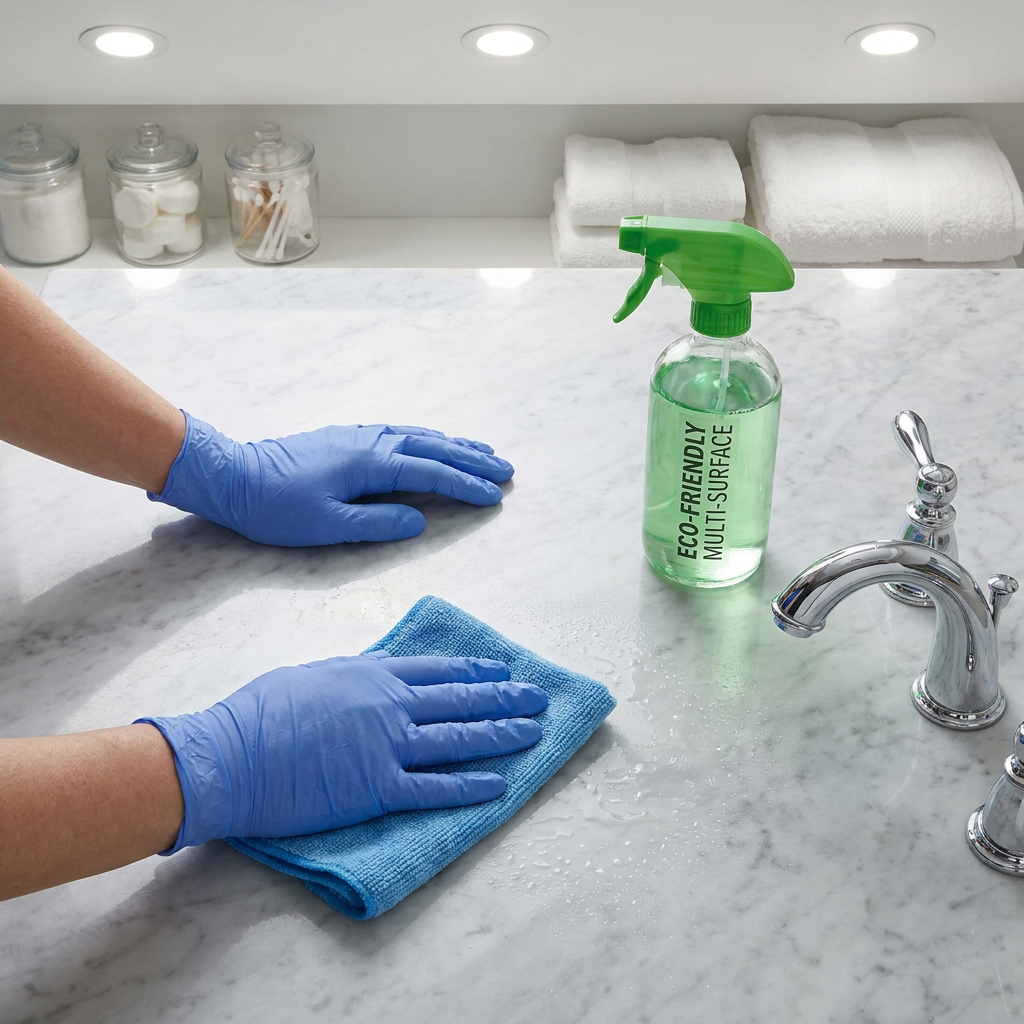
Bathroom cleaning requires separate cloths and tools from the main room to prevent bacterial transfer. The cleaning sequence should progress from cleanest to dirtiest surfaces: mirrors and counters first, then fixtures, followed by the toilet exterior and interior, and finally the floor. This top-to-bottom, clean-to-dirty approach minimizes recontamination.
Grout lines in tile floors and shower enclosures accumulate soap scum, mildew, and bacteria within 30 to 60 days of regular use. Quarterly deep cleaning with specialized grout brushes and alkaline cleaners prevents discoloration and odor development. Properties in humid climates like South Florida require more frequent grout maintenance due to accelerated mold growth.
Public Area Cleaning Frequencies and Methods
Public spaces require cleaning schedules based on foot traffic volume and surface type. The EHL Hospitality Insights research indicates that visible cleanliness in lobbies and corridors shapes guest perception as significantly as room cleanliness. High-traffic areas need attention every 1 to 2 hours during peak periods.
| Area | Cleaning Frequency | Key Tasks |
|---|---|---|
| Lobby and Reception | Every 1 to 2 hours | Floor spot cleaning, glass polishing, seating wipe-down |
| Elevators | Every 2 to 4 hours | Button disinfection, wall and floor cleaning, track debris removal |
| Public Restrooms | Every 30 to 60 minutes | Fixture disinfection, supply restocking, floor mopping |
| Fitness Center | Every 2 to 3 hours | Equipment disinfection, mirror cleaning, floor sanitization |
| Pool Deck | Daily with hourly touchpoint cleaning | Pressure washing weekly, furniture sanitization, drain clearing |
| Meeting Rooms | Before and after each event | Table disinfection, carpet vacuuming, AV equipment cleaning |
Lobby and Entrance Maintenance
Hotel lobbies serve as the first impression point for guests. Marble, terrazzo, and polished stone floors common in upscale properties require daily dust mopping and weekly machine scrubbing to maintain their appearance. These surfaces need professional restoration every 6 to 12 months to address etching, scratches, and dullness that accumulate from foot traffic.
Entrance matting systems capture 80 to 90 percent of incoming dirt and moisture when properly maintained. Mats require daily vacuuming and weekly deep extraction to function effectively. Properties should position at least 15 feet of matting at each entrance to maximize soil capture before guests reach finished flooring.
Floor Care and Restoration Best Practices
Floor maintenance represents one of the highest-impact cleaning investments for hospitality properties. Well-maintained floors reduce slip and fall incidents, extend surface lifespan, and significantly improve guest perception of overall cleanliness. The cost of regular floor maintenance runs 60 to 70 percent less than premature replacement.
Different flooring materials require specific care approaches. VCT (vinyl composition tile) in back-of-house areas needs stripping and waxing every 6 to 12 months, with scrub and recoat maintenance every 2 to 3 months between full restorations. Carpet in guest corridors and rooms requires hot water extraction every 3 to 6 months depending on traffic levels.
Hard Surface Floor Protocols
Marble lobby floors demand a multi-step diamond polishing process that includes grinding, honing, polishing, and crystallization. This restoration typically costs $2 to $6 per square foot and should occur annually for high-traffic lobbies. Between restorations, daily dust mopping with treated microfiber and weekly auto-scrubbing preserves the finish.
South Florida hotels face additional challenges from humidity, salt air, and sand tracked in from beaches. These conditions accelerate floor finish deterioration by 30 to 50 percent compared to inland properties. Hotel and hospitality cleaning services in coastal areas should include more frequent maintenance cycles to compensate for environmental stress.
Carpet Care Programs
Commercial carpet in hotels requires a tiered maintenance approach. Daily vacuuming with HEPA-filtered equipment removes surface soil before it embeds in fibers. Spot treatment within 24 hours of spills prevents permanent staining. Interim cleaning with encapsulation or bonnet methods every 4 to 8 weeks addresses traffic patterns.
Full hot water extraction, often called steam cleaning, should occur quarterly in high-traffic areas and semi-annually in guest rooms. This deep cleaning removes embedded soil, allergens, and bacteria that daily maintenance cannot address. Properties with ballrooms and banquet spaces need extraction after major events to remove food and beverage residue before it sets.
Disinfection Standards and Product Selection
Effective disinfection requires understanding the difference between cleaning, sanitizing, and disinfecting. Cleaning removes visible soil and organic matter. Sanitizing reduces bacteria to safe levels as defined by public health standards. Disinfecting eliminates specific pathogens listed on the product label when used according to directions.
The EPA maintains a list of registered disinfectants with demonstrated efficacy against specific organisms. Products on List N show effectiveness against SARS-CoV-2, while List K covers hospital-grade disinfectants. Hotels should select products appropriate for their surfaces and allow the full contact time specified on the label, typically 1 to 10 minutes.
Chemical Safety and Storage
Housekeeping staff require training on proper chemical handling, dilution ratios, and personal protective equipment requirements. OSHA regulations mandate Safety Data Sheets for all cleaning chemicals, accessible to staff at all times. Mixing incompatible chemicals, particularly bleach with ammonia or acids, creates toxic gases that have caused hospitalizations in hotel settings.
Cleaning carts should organize chemicals with labels facing outward and secondary containment for liquid products. Color-coded microfiber cloths prevent cross-contamination: red for toilets, yellow for other bathroom surfaces, blue for general surfaces, and green for food service areas. This system, recommended by ISSA (International Sanitary Supply Association), reduces infection transmission risk by up to 80 percent.
Housekeeping Training and Standard Operating Procedures
Written SOPs transform cleaning from an informal practice into a consistent, measurable operation. According to GoAudits hospitality research, properties with documented procedures and regular training report 40 percent fewer guest complaints about cleanliness compared to those without formal programs.
Effective training programs include initial certification, ongoing refreshers every 90 days, and competency assessments. Topics should cover proper product usage, equipment operation, safety protocols, guest interaction standards, and quality expectations. Many brands require 16 to 40 hours of initial training before staff clean rooms independently.
Room Inspection Checklists
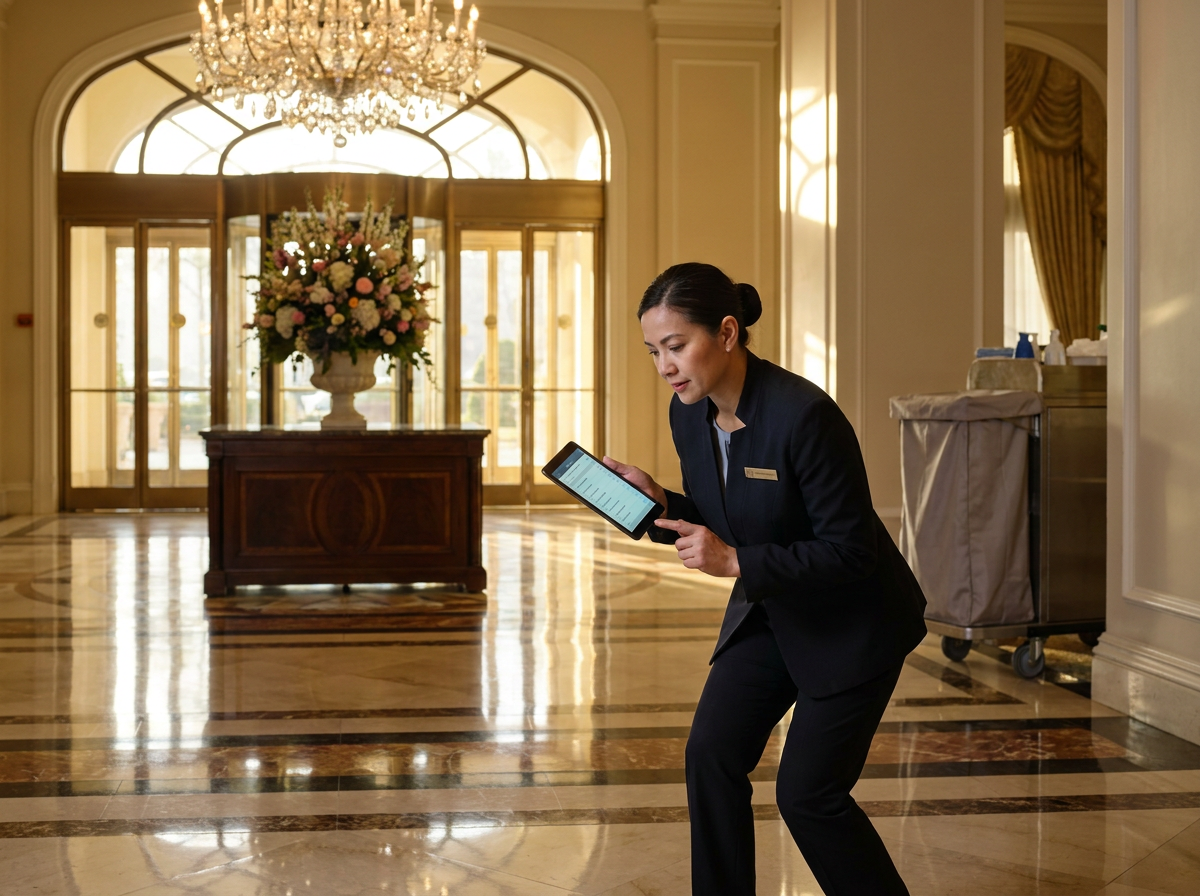
Supervisor inspections should cover 10 to 20 percent of cleaned rooms daily using standardized checklists. These inspections verify completion of all required tasks, identify training needs, and maintain accountability. Digital inspection tools allow real-time tracking, photo documentation, and trend analysis that paper checklists cannot provide.
Common inspection criteria include bed making quality, bathroom sanitation, dust presence, floor condition, amenity placement, and odor. Each criterion should have clear pass/fail standards rather than subjective ratings. Properties using objective inspection criteria show 25 percent higher consistency across housekeeping staff.
Quality Control and Continuous Improvement
Quality control extends beyond room inspections to encompass guest feedback analysis, competitive benchmarking, and proactive maintenance scheduling. TripAdvisor and Google reviews mentioning cleanliness correlate directly with booking conversion rates, with each one-star improvement in cleanliness scores increasing bookings by 9 to 14 percent.
Monthly quality meetings should review inspection scores, guest complaint trends, and maintenance issues. Root cause analysis of recurring problems often reveals training gaps, equipment failures, or unrealistic time standards. Properties that conduct formal quality reviews achieve 30 percent faster improvement in cleanliness scores than those addressing issues reactively.
Documentation and Compliance Records
Maintaining cleaning records protects properties during health inspections, liability claims, and brand audits. Documentation should include daily cleaning logs, chemical inventory and SDS files, training records, equipment maintenance schedules, and pest control reports. Digital systems simplify record retention and retrieval compared to paper files.
Health department inspections in most jurisdictions require evidence of cleaning procedures, not just clean conditions at inspection time. Properties should retain records for minimum periods specified by local regulations, typically 1 to 3 years. Brand standards often require longer retention and specific documentation formats.
Common Hotel Cleaning Mistakes to Avoid
Insufficient dwell time ranks as the most frequent disinfection failure. Staff often spray and immediately wipe surfaces, eliminating only 10 to 20 percent of pathogens compared to 99.9 percent elimination with proper contact time. Training should emphasize that disinfection requires patience, not just product application.
Cross-contamination from reusing cloths between rooms or surfaces spreads bacteria rather than removing it. Single-use or room-specific microfiber systems prevent this issue. The cost difference between proper microfiber protocols and inadequate practices runs approximately $0.15 to $0.25 per room, a negligible expense compared to infection outbreak costs.
Neglecting deep cleaning while maintaining surface appearance creates compounding problems. Grout discoloration, carpet matting, and floor finish failure all result from deferred maintenance. Scheduling quarterly commercial deep cleaning prevents these issues from reaching the point where guests notice deterioration.
Frequently Asked Questions About Hotel Cleaning Standards
What are the cleaning standards for hotel rooms?
Hotel room cleaning standards include complete linen replacement between guests, disinfection of 14 to 22 high-touch surfaces, bathroom sanitization following a top-to-bottom sequence, floor vacuuming and spot treatment, and amenity restocking. The process typically requires 25 to 45 minutes per room and should follow written SOPs with supervisor verification.
How often should hotel rooms be deep cleaned?
Guest rooms require deep cleaning every 3 to 6 months beyond daily turnover service. Deep cleaning includes carpet extraction, upholstery cleaning, mattress sanitization, behind-furniture cleaning, and grout restoration. High-occupancy properties and those in humid climates need more frequent deep cleaning cycles.
What disinfectants do hotels use on high-touch surfaces?
Hotels use EPA-registered disinfectants from List N (effective against SARS-CoV-2) or List K (hospital-grade). Common active ingredients include quaternary ammonium compounds, hydrogen peroxide, and sodium hypochlorite. Product selection depends on surface compatibility and required dwell time, typically 1 to 10 minutes for full efficacy.
How do hotel cleaning standards affect guest satisfaction?
Cleanliness consistently ranks among the top three factors in guest satisfaction surveys, often exceeding location and price in importance. Properties with documented cleaning programs and quality verification systems report 15 to 25 percent higher satisfaction scores. Negative cleanliness reviews impact booking rates more severely than other complaint categories.
What should be included in a hotel housekeeping checklist?
Comprehensive housekeeping checklists cover entry and initial assessment, bed making and linen replacement, dusting all surfaces, bathroom cleaning sequence, floor care, amenity restocking, final inspection, and door lock verification. Digital checklists with photo capability improve accountability and training effectiveness compared to paper versions.
What are best practices for floor cleaning in hotels?
Hotel floor care requires daily dust mopping, regular machine scrubbing with appropriate solutions, periodic deep extraction for carpets, and scheduled restoration for hard surfaces. Commercial floor deep cleaning every 3 to 6 months extends surface life and maintains appearance between major restorations. Different materials require specific products and equipment to prevent damage.
Elevate Your Hotel Cleaning Standards
MB Clean Solutions provides hospitality-grade deep cleaning, marble restoration, and floor care for hotels throughout Miami-Dade, Broward, and Palm Beach counties. Request your free on-site assessment today.
Get Your Free QuoteKeep reading
More guides on the same topic from our team.
What to Expect During Commercial Deep Cleaning Service
Learn exactly what happens during a commercial deep cleaning service, from pre-cleaning assessment to final inspection. Includes timelines, costs, and preparation tips.
Read the guide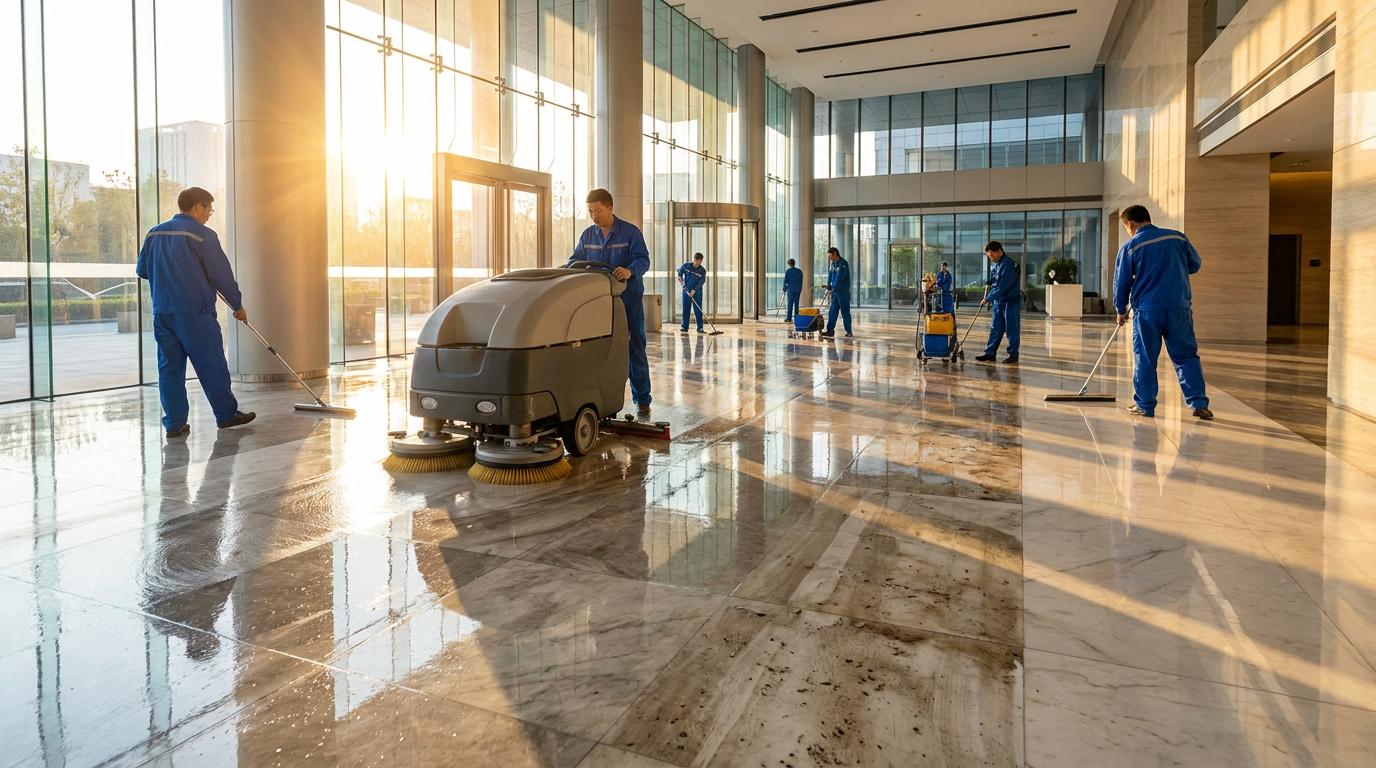
Commercial Deep Cleaning Cost by Square Footage and Building Type
Commercial deep cleaning costs $0.40 to $2.00 per square foot depending on building type, floor condition, and service scope. Get exact pricing breakdowns.
Read the guide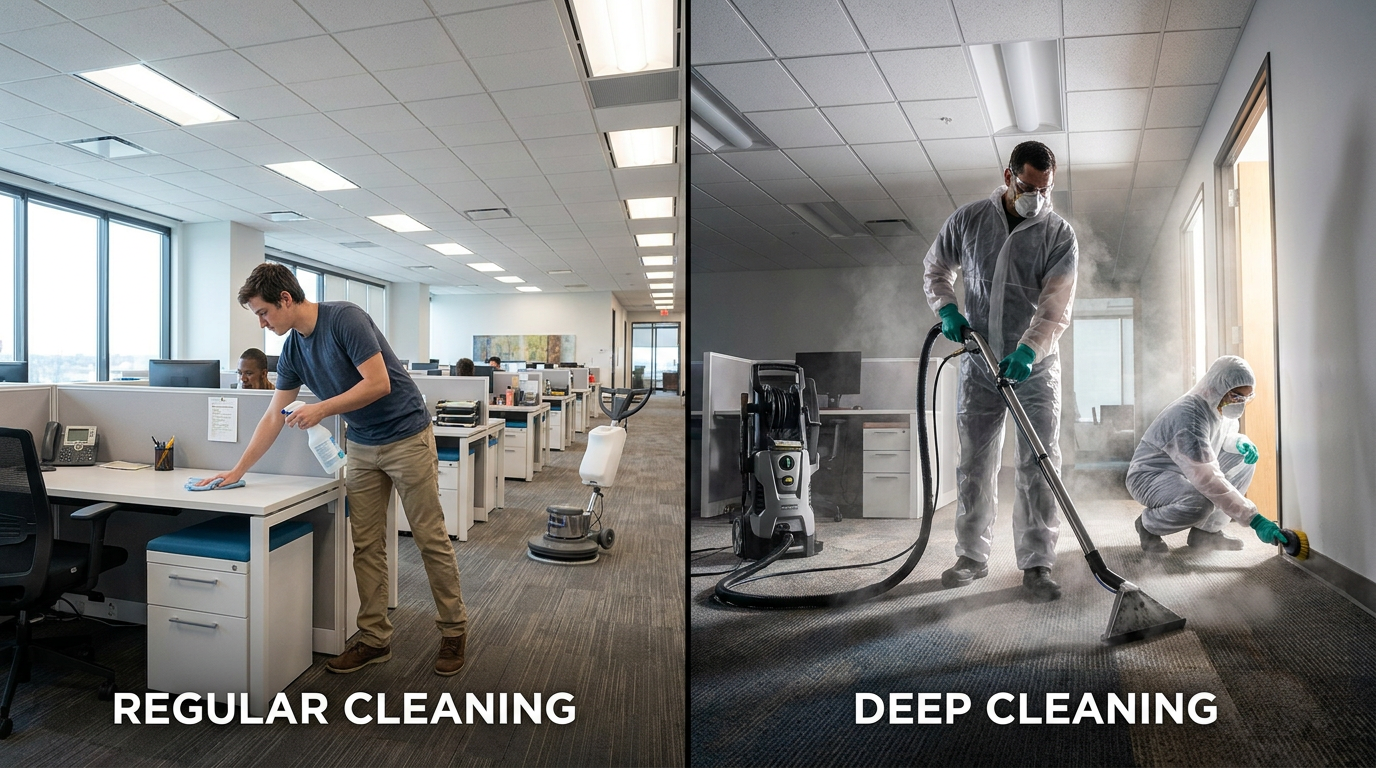
Commercial Deep Cleaning vs Regular Cleaning: Key Differences
Learn the exact differences between commercial deep cleaning and regular cleaning, including costs, frequency, tasks covered, and which service your business needs.
Read the guide
Ready for a Spotless Space?
Get a free, no-obligation estimate for your commercial cleaning project. Most quotes delivered within 24 hours.