Commercial Deep Cleaning vs Regular Cleaning: Key Differences
WHAT IS COMMERCIAL DEEP CLEANING VS REGULAR CLEANING
Learn the exact differences between commercial deep cleaning and regular cleaning, including costs, frequency, tasks covered, and which service your business needs.
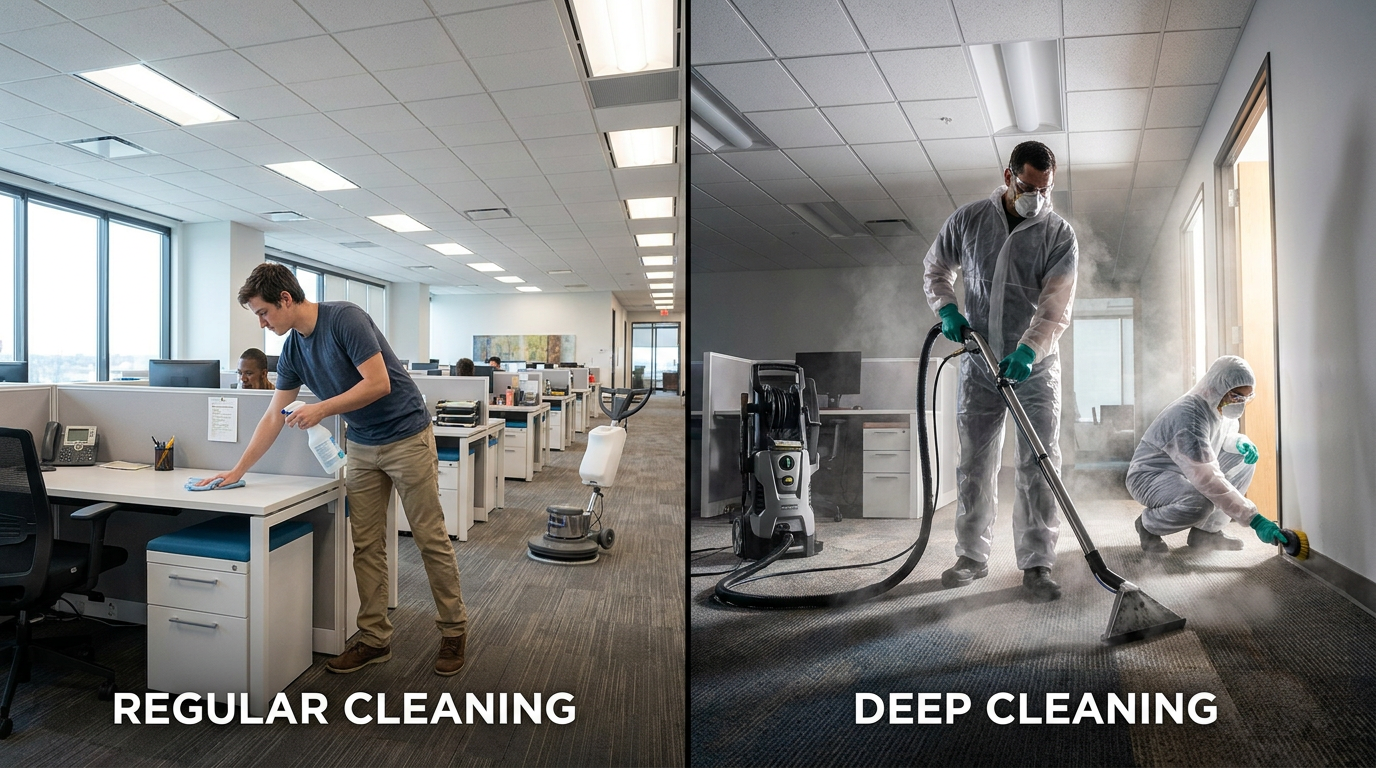
Commercial deep cleaning removes built-up dirt, bacteria, and contamination from hidden and hard-to-reach areas that regular cleaning never touches. Regular cleaning maintains daily hygiene on visible surfaces. The core difference: regular cleaning keeps your facility presentable, while deep cleaning restores it to a sanitized, like-new condition every 3 to 12 months.
- Regular cleaning costs $0.05 to $0.20 per square foot; deep cleaning costs $0.40 to $2.00 per square foot
- Regular cleaning occurs daily or weekly; deep cleaning happens quarterly to annually
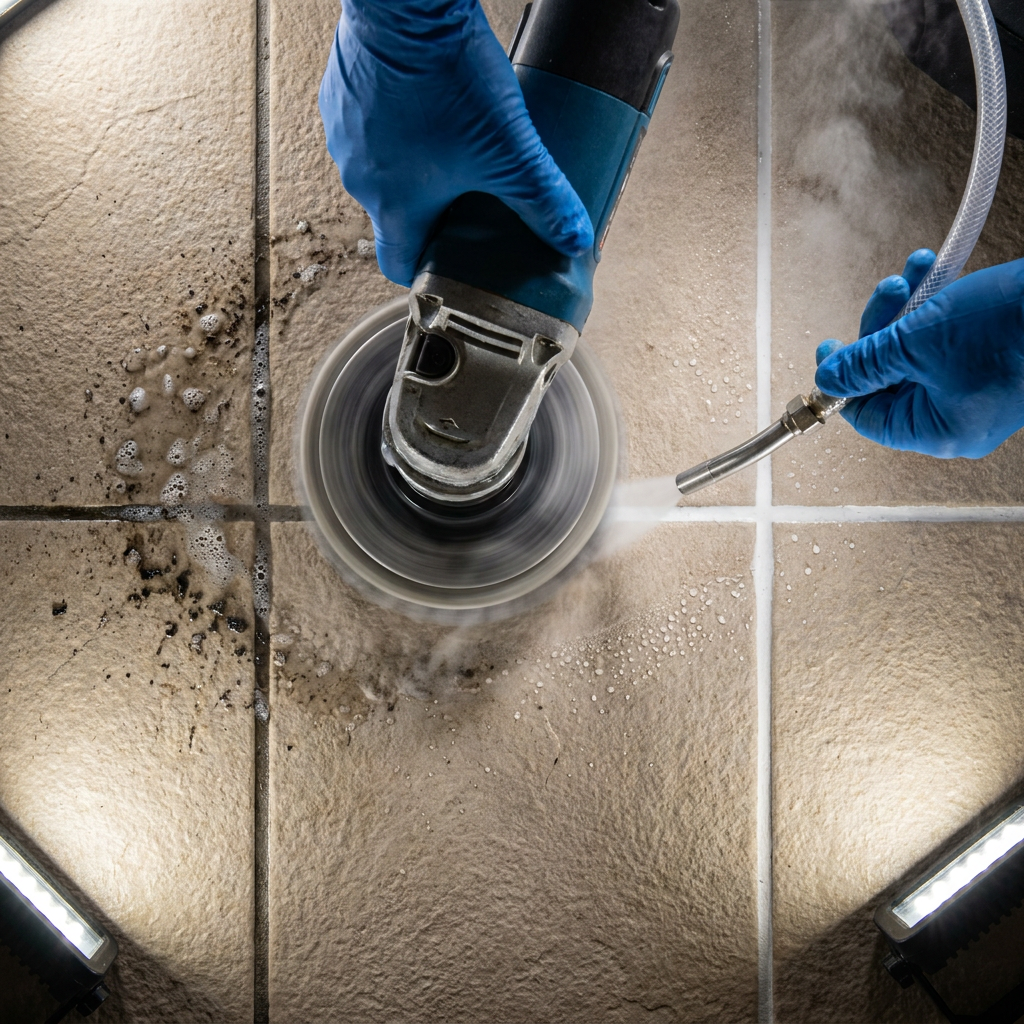
- Deep cleaning targets grout lines, ventilation systems, behind equipment, and baseboards
- According to ISSA cleaning industry standards, facilities need deep cleaning every 90 to 365 days depending on traffic
- Deep cleaning uses industrial equipment like HEPA vacuums, steam cleaners, and auto-scrubbers
What Regular Commercial Cleaning Includes
Regular commercial cleaning, sometimes called janitorial service or maintenance cleaning, handles the visible dirt and daily buildup that accumulates in any business environment. According to the Building Service Contractors Association International (BSCAI), standard janitorial services follow a predictable task list designed for speed and consistency.
Typical regular cleaning tasks include vacuuming carpets and mopping hard floors, emptying trash receptacles and replacing liners, dusting desks and accessible surfaces, wiping down counters and tables, cleaning and restocking restrooms, spot-cleaning glass doors and windows, and sanitizing high-touch points like door handles and light switches.
Regular cleaning crews typically spend 15 to 30 minutes per 1,000 square feet. The goal is maintaining a baseline level of cleanliness, not eliminating deep-seated contamination. Most commercial facilities schedule regular cleaning 3 to 7 times per week depending on foot traffic and industry requirements.
What Commercial Deep Cleaning Includes
Commercial deep cleaning goes beyond surface maintenance to address areas that accumulate dirt, bacteria, and grime over months or years. The International Sanitary Supply Association (ISSA) defines deep cleaning as restorative cleaning that returns surfaces to their original condition.
A comprehensive commercial deep cleaning service typically includes cleaning behind and underneath heavy equipment, scrubbing grout lines and tile surfaces, degreasing kitchen appliances and exhaust systems, washing baseboards, door frames, and trim, cleaning ventilation grilles and fan blades, disinfecting detailed touchpoints throughout the facility, cleaning inside cabinets, drawers, and storage areas, and removing built-up soap scum, grease, and mold spots.
Deep cleaning requires specialized equipment that regular janitorial crews do not carry. This includes HEPA-filtered vacuums that capture 99.97% of particles down to 0.3 microns, commercial steam cleaners reaching temperatures of 212°F or higher, industrial auto-scrubbers for hard floor restoration, and truck-mounted carpet extractors for deep fiber cleaning.
Side-by-Side Comparison: Regular vs Deep Cleaning
Understanding the differences between these two service types helps facility managers budget appropriately and schedule services at the right intervals. The following comparison table, based on data from the Cleaning Management Institute (CMI), breaks down the key distinctions.
| Factor | Regular Cleaning | Deep Cleaning |
|---|---|---|
| Scope | Visible surfaces only | All surfaces including hidden areas |
| Frequency | Daily to weekly | Quarterly to annually |
| Cost per Square Foot | $0.05 to $0.20 | $0.40 to $2.00 |
| Time per 1,000 sq ft | 15 to 30 minutes | 2 to 4 hours |
| Equipment Required | Standard mops, vacuums, cloths | Industrial scrubbers, steam cleaners, extractors |
| Primary Purpose | Maintain cleanliness | Restore and sanitize |
| Bacteria Reduction | Surface-level only | Up to 99.9% with proper disinfection |
Deep Cleaning Frequency by Industry
The appropriate deep cleaning schedule varies significantly based on industry type, foot traffic, and regulatory requirements. Research from the American Institute of Architects (AIA) and various health departments provides guidance on minimum cleaning frequencies for different commercial environments.
Office Buildings
Class A office buildings in markets like Miami, Fort Lauderdale, and Boca Raton typically require deep cleaning every 6 to 12 months. High-traffic lobbies and shared restrooms may need quarterly attention. According to BOMA International (Building Owners and Managers Association), tenant satisfaction scores improve by 15% to 23% when properties maintain consistent deep cleaning schedules.
Priority areas for office building deep cleaning include carpet extraction, air duct cleaning, restroom tile and grout restoration, and lobby floor refinishing. Multi-tenant buildings often coordinate deep cleaning during low-occupancy periods to minimize disruption.
Restaurants and Commercial Kitchens
Food service establishments face the strictest cleaning requirements. The FDA Food Code and Florida Department of Business and Professional Regulation require commercial kitchens to maintain sanitary conditions that regular cleaning alone cannot achieve. High-volume restaurants often need monthly deep cleaning of hood systems, grease traps, and floor drains.
A 2024 study published in the Journal of Food Protection found that restaurants implementing quarterly deep cleaning protocols experienced 67% fewer health code violations compared to those relying solely on daily cleaning. Critical deep cleaning targets include exhaust hood interiors, behind cooking equipment, walk-in cooler floors, and grout lines in food preparation areas.
Retail and Shopping Centers
Retail environments require deep cleaning every 3 to 6 months depending on foot traffic. The International Council of Shopping Centers (ICSC) reports that cleanliness ranks among the top three factors influencing customer perception of retail spaces. Retail and shopping center cleaning services focus on floor restoration, fitting room sanitation, and storefront appearance.
Food courts within shopping centers need more frequent attention, typically monthly, due to grease accumulation and high spill rates. Anchor stores often maintain separate deep cleaning contracts from common area management.
Hotels and Hospitality
Hotels present unique deep cleaning challenges due to constant guest turnover and brand standard requirements. Major hospitality brands like Marriott, Hilton, and Hyatt mandate specific deep cleaning frequencies in their franchise agreements. Lobby marble floors typically require quarterly diamond polishing to maintain appearance standards.
According to J.D. Power's North America Hotel Guest Satisfaction Index Study, cleanliness directly correlates with guest satisfaction scores and online reviews. Properties scoring in the top quartile for cleanliness achieve 12% to 18% higher RevPAR (revenue per available room). Hotel and hospitality deep cleaning addresses ballroom carpets, pool deck surfaces, and guest room soft goods on rotating schedules.
Schools and Daycares
Educational facilities, particularly licensed daycares in Florida, must meet specific sanitation requirements set by the Department of Children and Families (DCF). DCF licensing standards require documented cleaning protocols and often specify deep cleaning during school closures. Summer break, winter recess, and spring break provide ideal windows for comprehensive facility restoration.
School and daycare deep cleaning services focus on VCT floor stripping and waxing, air duct cleaning, restroom deep sanitation, and nap area disinfection. Providers must use child-safe, low-VOC products and provide signed service completion records for DCF inspection files.
Cost Breakdown: Regular vs Deep Cleaning
Understanding the cost structure helps facility managers allocate budgets appropriately. While deep cleaning costs more per visit, it typically represents only 10% to 15% of annual cleaning expenditures when properly scheduled.
Regular Cleaning Costs
Standard janitorial services in South Florida range from $0.05 to $0.20 per square foot per visit, according to data from the Janitorial Service Contractors Association. A 10,000 square foot office cleaned five times weekly would pay approximately $2,500 to $10,000 monthly for regular cleaning services.
Factors affecting regular cleaning costs include service frequency, building hours requiring after-hours work, restroom count, and special requirements like medical waste handling. Most contracts include basic supplies while charging separately for paper products and consumables.
Deep Cleaning Costs
Commercial deep cleaning in Miami-Dade, Broward, and Palm Beach counties typically costs $0.40 to $2.00 per square foot. The same 10,000 square foot facility would pay $4,000 to $20,000 for a comprehensive deep cleaning service. Pricing varies based on current condition, floor types, and specific service requirements.
Floor restoration represents a significant portion of deep cleaning costs. Floor stripping and waxing for VCT floors runs $0.85 to $1.80 per square foot, while terrazzo restoration can reach $2.00 per square foot due to the multi-step diamond polishing process required.
Annual Cleaning Budget Example
A 15,000 square foot retail location in Fort Lauderdale might budget as follows: regular cleaning at $0.12 per square foot, five times weekly, totals approximately $46,800 annually. Adding quarterly deep cleaning at $0.60 per square foot adds $36,000. The combined annual budget of $82,800 breaks down to 57% regular cleaning and 43% deep cleaning.
When Your Facility Needs Deep Cleaning
Several indicators signal that regular cleaning is no longer sufficient. Recognizing these signs helps prevent the accelerated deterioration that occurs when deep cleaning is delayed too long.
Visual Indicators
Floors showing yellowing, especially along edges and corners, indicate wax buildup that regular mopping cannot address. Grout lines appearing darker than original color suggest embedded dirt requiring extraction. Baseboards with visible dust accumulation despite regular cleaning point to inadequate detail work in routine service.
Odor Issues
Persistent odors despite regular cleaning often indicate contamination in carpets, drains, or ventilation systems. According to the American Society of Heating, Refrigerating and Air-Conditioning Engineers (ASHRAE), 52% of indoor air quality complaints trace to inadequate cleaning of HVAC components and soft surfaces.
Compliance Triggers
Lease renewal inspections, health department visits, brand standard audits, and DCF licensing reviews often require deep cleaning beforehand. Waiting until inspection notices arrive leaves insufficient time for proper restoration. Proactive scheduling prevents compliance failures.
Seasonal Considerations in South Florida
South Florida's humidity creates unique cleaning challenges. Research from the University of Miami's School of Architecture indicates that commercial buildings in Miami-Dade County experience 40% faster mold growth rates compared to national averages. This accelerated biological growth necessitates more frequent deep cleaning, particularly in areas with poor ventilation.
Hurricane season also impacts cleaning schedules. Post-storm deep cleaning addresses water intrusion, debris contamination, and accelerated mold growth. Facilities should schedule pre-hurricane deep cleaning in May or early June to establish baseline conditions for insurance documentation purposes.
Equipment Differences Between Service Types
The equipment gap between regular and deep cleaning explains much of the cost and effectiveness difference. Regular janitorial crews carry portable equipment designed for speed. Deep cleaning requires industrial machinery that most janitorial companies do not own.
Regular Cleaning Equipment
Standard janitorial equipment includes upright vacuums (typically 12 to 15 inch cleaning paths), string mops and bucket systems, microfiber cloths and dusters, spray bottles with general-purpose cleaners, and backpack vacuums for larger facilities. Total equipment investment for a janitorial crew runs $2,000 to $5,000.
Deep Cleaning Equipment
Professional deep cleaning requires industrial-grade machinery. Ride-on auto-scrubbers cost $15,000 to $45,000 and clean 20,000 to 50,000 square feet per hour. Truck-mounted carpet extractors generate 200+ PSI water pressure and 200°F+ temperatures for true deep extraction. HEPA-filtered vacuums meeting IEST-RP-CC001 standards cost $800 to $2,500 each.
Additional specialized equipment includes rotary floor machines for stripping and buffing, industrial pressure washers rated 2,500+ PSI for exterior surfaces, and commercial steam cleaners for chemical-free sanitization. A properly equipped commercial deep cleaning company invests $100,000 or more in equipment.
Choosing Between Services: A Decision Framework
Facility managers often struggle to determine which service their building needs. This framework, based on guidelines from the International Facility Management Association (IFMA), helps clarify the decision.
Choose Regular Cleaning When:
Your facility receives consistent daily or weekly maintenance. Surfaces appear clean to visual inspection. No persistent odors exist. You passed your last compliance inspection. Floors maintain their original appearance. High-touch surfaces receive adequate sanitization.
Choose Deep Cleaning When:
More than 6 months have passed since the last deep cleaning. Floors show discoloration, yellowing, or embedded scuff marks. Grout lines appear darker than original. Persistent odors exist despite regular cleaning. Compliance inspections are approaching. Tenant complaints about cleanliness have increased. Seasonal transitions require facility reset.
Combine Both Services When:
Most commercial facilities need both services working together. Regular cleaning maintains day-to-day hygiene while quarterly or semi-annual deep cleaning addresses accumulated contamination. This combination maximizes cleanliness while optimizing budget allocation.
Questions Facility Managers Frequently Ask
Can I refuse deep cleaning and just get more frequent regular cleaning?
Increasing regular cleaning frequency does not replace deep cleaning. Standard janitorial equipment cannot extract embedded dirt from grout, remove wax buildup from floors, or clean inside ventilation systems. A study by the Cleaning Industry Research Institute found that doubling regular cleaning frequency improved surface cleanliness by only 12%, while a single deep cleaning improved overall facility hygiene by 67%.
How much should I expect to pay for commercial deep cleaning?
Commercial deep cleaning in South Florida costs $0.40 to $2.00 per square foot depending on facility type, current condition, and specific services required. A 5,000 square foot office in good condition might cost $2,000 to $3,000. A 20,000 square foot warehouse with heavily soiled floors could reach $30,000 or more. Request a free on-site assessment for accurate pricing.
What exactly is included in commercial deep cleaning?
Commercial deep cleaning includes all regular cleaning tasks plus: cleaning behind and under equipment, scrubbing grout and tile, degreasing surfaces, washing baseboards and trim, cleaning ventilation components, detailed touchpoint disinfection, cabinet and drawer interiors, removing built-up residue from all surfaces, and floor restoration services. Specific task lists vary by provider and should be documented in writing before service.
Does deep cleaning help with indoor air quality?
Yes. The Environmental Protection Agency (EPA) identifies indoor air quality as a top five environmental health risk. Deep cleaning addresses three major IAQ factors: particulate matter trapped in carpets and upholstery, biological growth in HVAC components, and volatile organic compounds (VOCs) absorbed into surfaces. Post-deep-cleaning air quality tests typically show 30% to 50% reduction in airborne particulates.
How long does commercial deep cleaning take?
Deep cleaning requires 2 to 4 hours per 1,000 square feet compared to 15 to 30 minutes for regular cleaning. A 10,000 square foot facility typically needs 20 to 40 labor hours for comprehensive deep cleaning. Most providers schedule deep cleaning during off-hours, weekends, or building closures to minimize business disruption.
Do offices need deep cleaning if they receive daily janitorial service?
Yes. Daily janitorial service maintains surface cleanliness but cannot address the 60% to 70% of dirt that accumulates in carpets, grout, ventilation systems, and other areas beyond regular cleaning scope. The ISSA recommends deep cleaning every 6 to 12 months even for facilities with excellent daily maintenance programs.
Building an Effective Cleaning Program
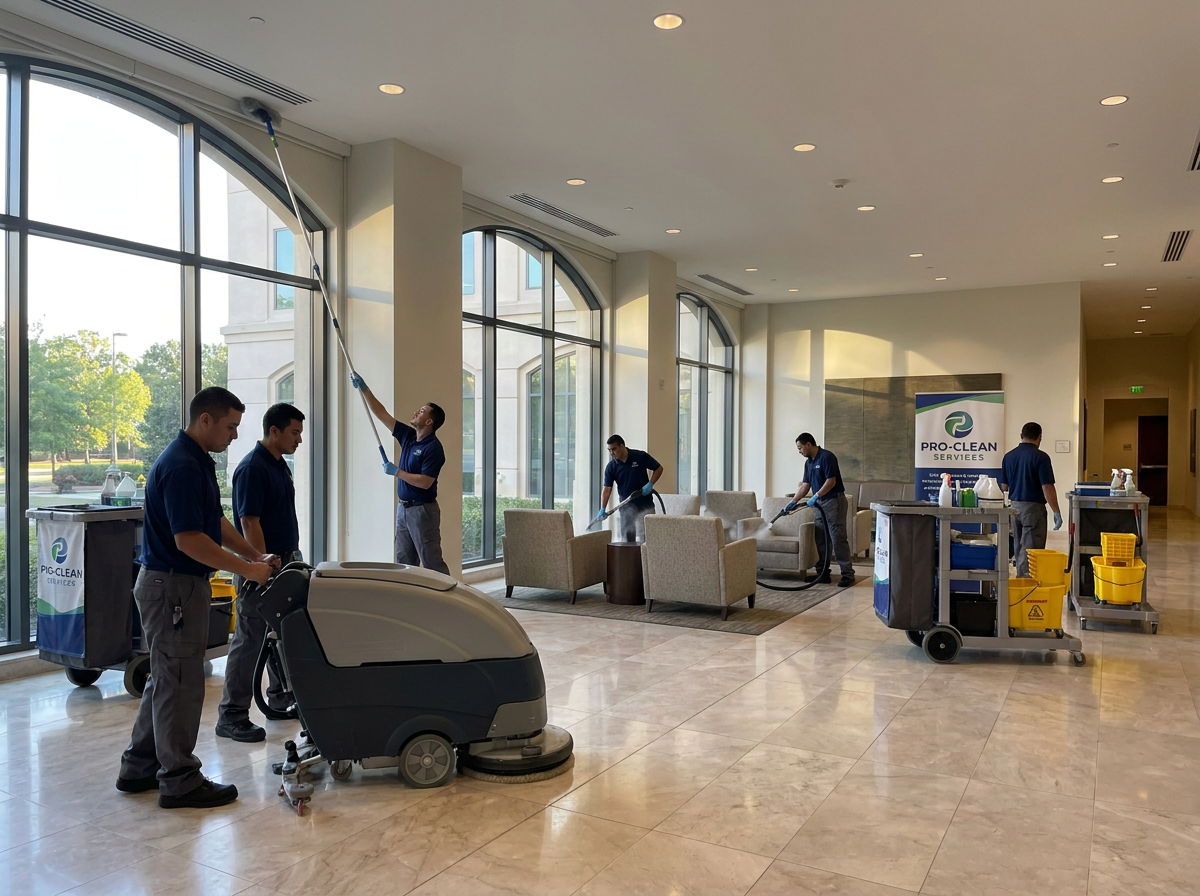
The most effective commercial cleaning programs combine regular maintenance with scheduled deep cleaning. This approach maintains daily hygiene while periodically resetting the facility to like-new condition. For South Florida businesses dealing with humidity, salt air, and high foot traffic, this combination is essential for protecting facility investments.
Start by assessing your current cleaning program. Document what regular cleaning covers and identify gaps. Schedule a professional assessment to evaluate deep cleaning needs. Then build an annual calendar that includes both service types at appropriate intervals for your industry and facility type.
Working with a single provider for both services often improves coordination and reduces overall costs. The regular cleaning crew identifies emerging issues while the deep cleaning team addresses them before they become major problems. This integrated approach delivers better results than managing separate vendors for each service type.
Get a Free Deep Cleaning Assessment
MB Clean Solutions provides free on-site assessments for commercial facilities throughout Miami-Dade, Broward, and Palm Beach counties. Our team will evaluate your space, identify your specific needs, and deliver a transparent quote within 24 hours.
Schedule Your Free AssessmentKeep reading
More guides on the same topic from our team.
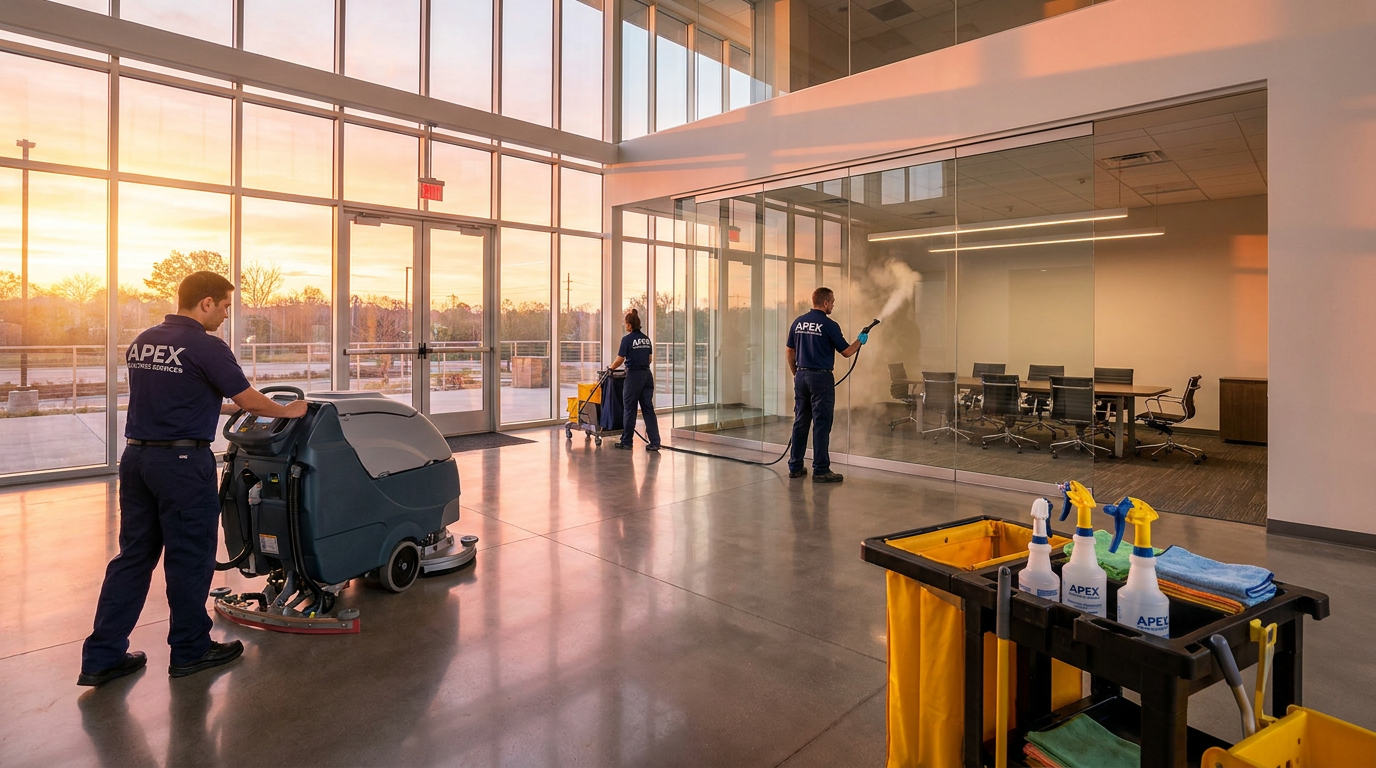
What to Expect During Commercial Deep Cleaning Service
Learn exactly what happens during a commercial deep cleaning service, from pre-cleaning assessment to final inspection. Includes timelines, costs, and preparation tips.
Read the guide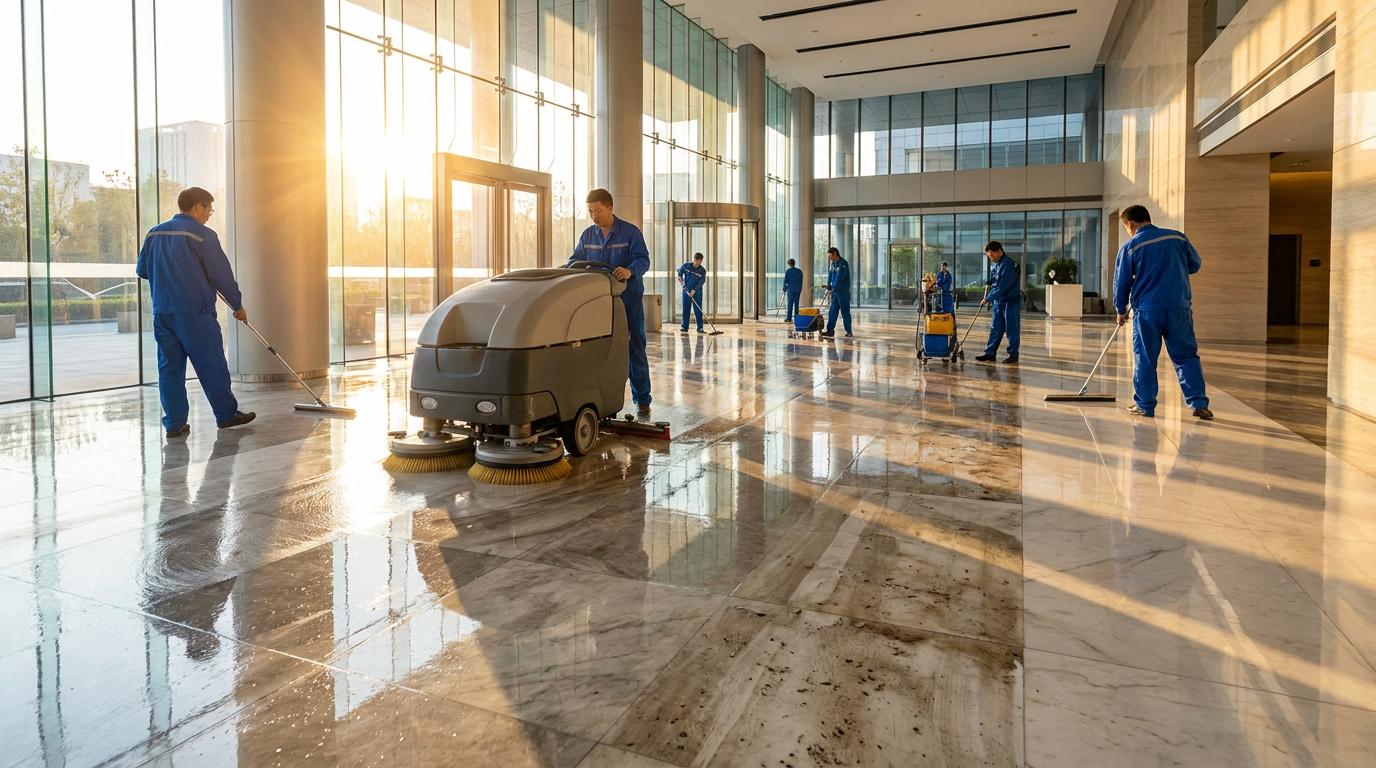
Commercial Deep Cleaning Cost by Square Footage and Building Type
Commercial deep cleaning costs $0.40 to $2.00 per square foot depending on building type, floor condition, and service scope. Get exact pricing breakdowns.
Read the guide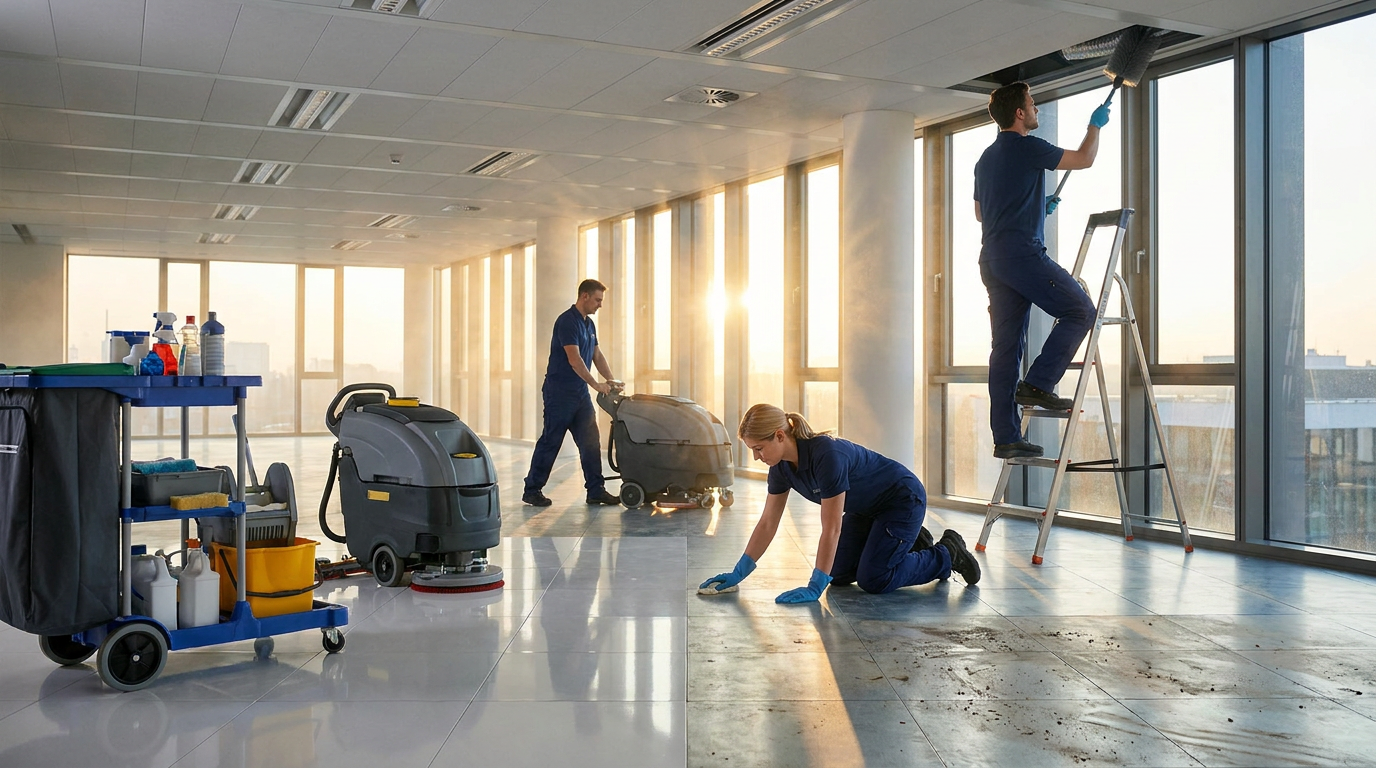
Commercial Deep Cleaning: What It Includes, Costs, and Schedules
Commercial deep cleaning costs $0.40 to $2.00 per square foot and targets hidden dirt in vents, grout, and behind equipment. Learn what is included.
Read the guide
Ready for a Spotless Space?
Get a free, no-obligation estimate for your commercial cleaning project. Most quotes delivered within 24 hours.