Commercial Kitchen Hood Cleaning Requirements: NFPA 96 Guide
COMMERCIAL KITCHEN HOOD AND EXHAUST SYSTEM CLEANING REQUIREMENTS
NFPA 96 requires commercial kitchen hood cleaning every 30 days to annually based on cooking volume. Learn Florida compliance rules and insurance requirements.
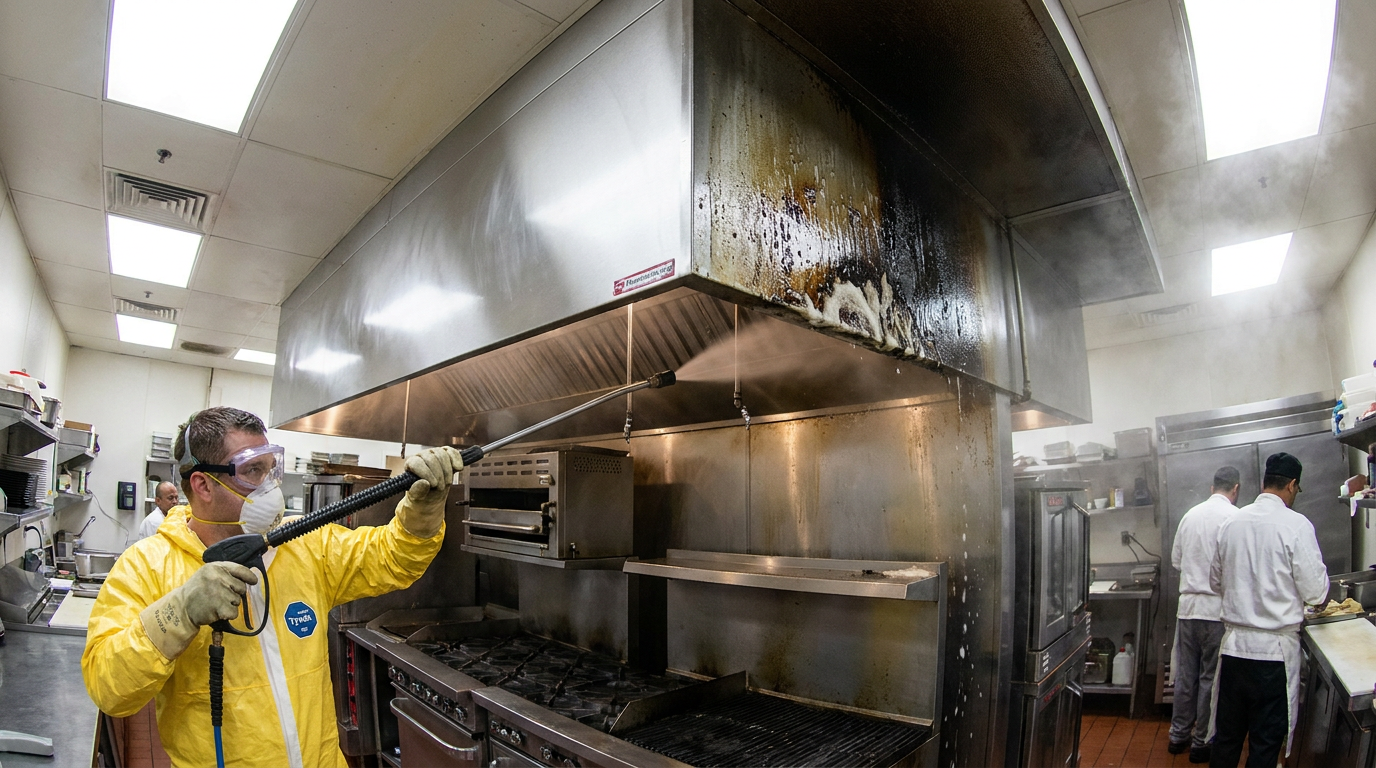
Commercial kitchen hood and exhaust systems must be cleaned to bare metal at intervals ranging from monthly to annually, depending on cooking volume and grease production. NFPA 96, the Standard for Ventilation Control and Fire Protection of Commercial Cooking Operations, mandates these cleaning frequencies and requires certified technicians to perform the work. Failure to comply can void insurance coverage and result in fire code violations.
- High-volume cooking operations (24-hour restaurants, charbroiling) require monthly hood cleaning per NFPA 96
- Moderate-volume kitchens need quarterly cleaning; low-volume operations require semi-annual or annual service
- Florida requires hood cleaning technicians to hold certification from organizations like IKECA or state-approved programs
- Insurance companies may deny fire claims if cleaning documentation is incomplete or outdated
- Professional hood cleaning costs $300 to $600 per service for typical restaurant systems
NFPA 96 Cleaning Frequency Requirements by Kitchen Type
The National Fire Protection Association's NFPA 96 standard establishes mandatory cleaning schedules based on the type and volume of cooking performed. Section 11.4 specifies that hoods, grease removal devices, fans, ducts, and other appurtenances must be cleaned to bare metal at frequencies determined by grease accumulation rates.
Monthly cleaning applies to systems serving solid fuel cooking operations, high-volume cooking like 24-hour diners, and charbroiling or wok cooking that produces heavy grease deposits. These operations generate significant grease vapor that accumulates rapidly in exhaust systems, creating fire hazards within weeks.
Quarterly cleaning is required for moderate-volume cooking operations. This category includes most full-service restaurants, hotel kitchens, and institutional cafeterias that prepare multiple meals daily but do not operate around the clock or use high-grease cooking methods continuously.
| Kitchen Type | Cleaning Frequency | Examples |
|---|---|---|
| High-Volume Operations | Monthly | 24-hour restaurants, charbroilers, wok kitchens, solid fuel cooking |
| Moderate-Volume Operations | Quarterly | Full-service restaurants, hotel kitchens, hospital cafeterias |
| Low-Volume Operations | Semi-Annually | Day camps, seasonal operations, churches, senior centers |
| Low-Volume with Light Grease | Annually | Pizza ovens, steam cooking, churches with occasional use |
Florida State Requirements for Hood Cleaning Certification
Florida follows NFPA 96 through adoption in the Florida Fire Prevention Code, which requires that commercial kitchen exhaust system cleaning be performed by trained and qualified personnel. According to state fire marshal requirements similar to those in Massachusetts, technicians must demonstrate competency through recognized certification programs.
The International Kitchen Exhaust Cleaning Association (IKECA) provides the most widely accepted certification in the industry. IKECA-certified technicians complete training on proper cleaning procedures, safety protocols, and documentation requirements. Many Florida jurisdictions and insurance companies specifically require IKECA certification or equivalent credentials.
Florida's State Fire Marshal office can mandate additional inspections or cleaning frequencies based on local conditions or past violations. Restaurant operators in Miami-Dade, Broward, and Palm Beach counties should verify specific requirements with their local fire prevention bureau, as some municipalities enforce stricter standards than the state minimum.
What Exhaust Hood Cleaning Actually Involves
Professional hood cleaning is a comprehensive process that goes far beyond wiping down visible surfaces. Certified technicians must clean the entire exhaust system to bare metal, removing all grease deposits from hoods, filters, ductwork, fans, and rooftop equipment. This process typically takes 2 to 4 hours for a standard restaurant system.
The cleaning process begins with covering cooking equipment, floors, and walls with protective plastic sheeting. Technicians then remove baffle filters and soak them in degreasing solution. High-pressure hot water or steam is used to clean interior hood surfaces, horizontal duct sections, and accessible vertical runs.
Access panels in ductwork allow technicians to reach areas that cannot be cleaned from hood openings alone. NFPA 96 requires access panels at every change in direction and at intervals not exceeding 12 feet on horizontal runs and 20 feet on vertical runs. If your system lacks adequate access panels, a qualified contractor should install them before the next cleaning.
Components That Must Be Cleaned
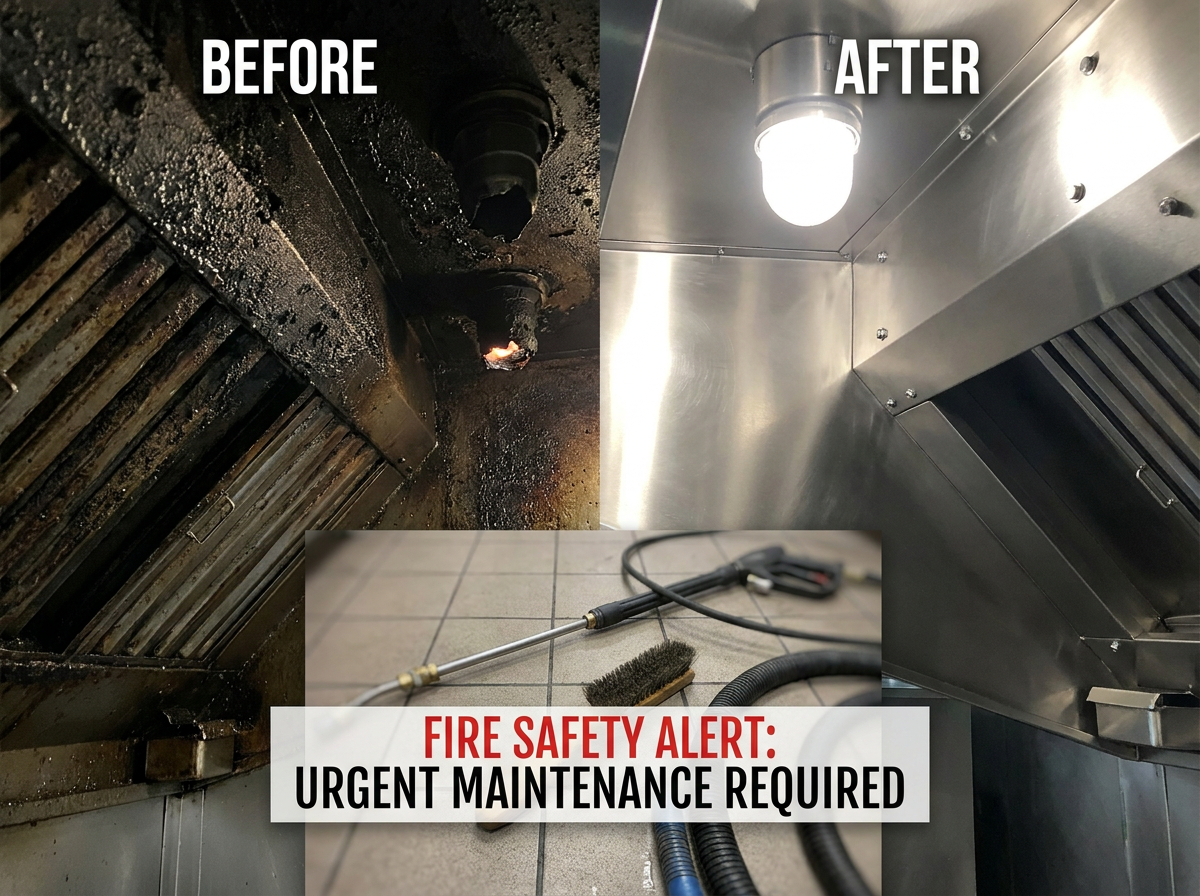
The exhaust hood canopy collects grease-laden vapors directly above cooking equipment. Grease accumulates on interior surfaces, in seams, and around light fixtures. All surfaces must be scraped and pressure-washed to bare metal.
Baffle filters or mesh filters capture grease particles before they enter the ductwork. These filters require cleaning or replacement on a much more frequent basis than the full system, often weekly or daily depending on cooking volume. NFPA 96 specifies that grease filters must be listed and labeled for their intended use.
Ductwork carries exhaust air from the hood to the rooftop fan. Grease deposits in ducts create the most significant fire hazard because they are difficult to access and can sustain combustion for extended periods. Horizontal duct sections accumulate grease faster than vertical runs due to gravity.
Exhaust fans mounted on the roof or exterior wall move air through the system. Grease accumulates on fan blades, housings, and motors. Fan cleaning includes removing the fan assembly, cleaning all components, and inspecting belts and bearings for wear.
Fire Safety and Insurance Compliance Requirements
Kitchen fires cause approximately $246 million in direct property damage annually in commercial food service establishments, according to National Fire Protection Association data. Grease buildup in exhaust systems is a leading cause of these fires, which is why insurance companies closely scrutinize hood cleaning compliance.
Most commercial property insurance policies include specific requirements for kitchen exhaust system maintenance. Policies typically require documentation of cleaning performed at NFPA 96 frequencies, proof of technician certification, and before-and-after photographs. Failure to maintain this documentation can result in claim denial after a fire.
Insurance adjusters routinely request hood cleaning records when investigating kitchen fire claims. If records show cleaning was overdue or performed by uncertified personnel, insurers may deny coverage or reduce payouts. Some policies require notification of the insurance company if cleaning schedules are missed.
Documentation Requirements for Compliance
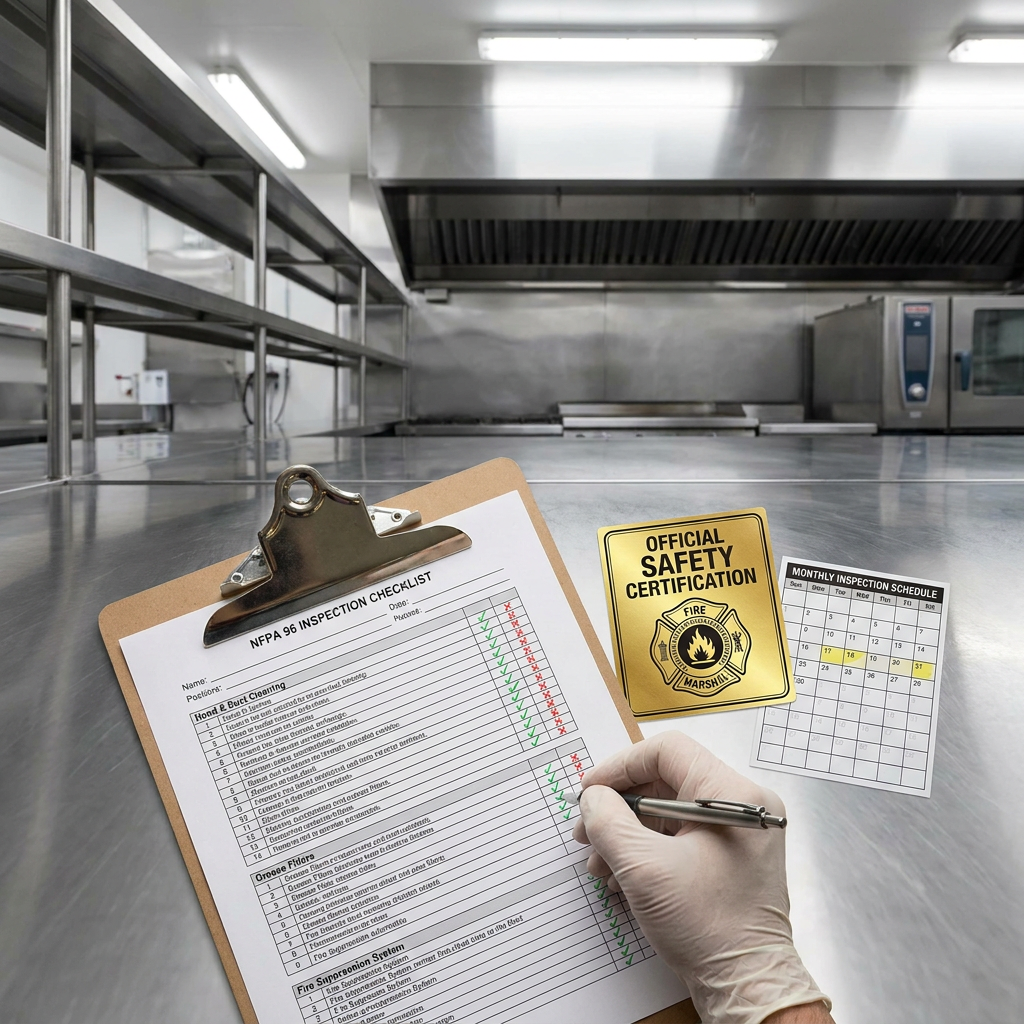
Proper documentation protects restaurant operators during fire marshal inspections and insurance claims. Every cleaning should generate a detailed report that includes the date of service, technician name and certification number, areas cleaned, and any deficiencies noted.
Reports should include photographs showing the condition of the system before and after cleaning. Many certified contractors provide digital reports with timestamped photos that can be stored electronically and retrieved quickly during inspections.
Florida fire codes require operators to maintain cleaning records for a minimum of 3 years. However, insurance companies may request records going back further, so retaining documentation for 5 years or longer is advisable. Store records in a fireproof location or cloud-based system accessible even if the physical premises are damaged.
How Often Should You Clean Your Commercial Hood?
The answer depends entirely on your cooking operations. NFPA 96 provides baseline frequencies, but the Authority Having Jurisdiction (AHJ), typically your local fire marshal, can require more frequent cleaning based on inspection findings or the specific characteristics of your operation.
High-grease cooking methods demand the most attention. Charbroiling produces 3 to 4 times more grease vapor than standard gas cooking. Wok cooking at high temperatures creates fine grease particles that penetrate deep into ductwork. Solid fuel cooking with wood or charcoal generates creosote deposits that are particularly flammable.
South Florida's hospitality industry includes many high-volume operations that require monthly cleaning. Hotels with 24-hour room service kitchens, casino restaurants, and airport food service operations all fall into this category. Hotel and hospitality cleaning services often coordinate hood cleaning with other deep cleaning projects to minimize operational disruption.
Signs Your Hood System Needs Cleaning Before the Scheduled Date
Visible grease buildup on hood surfaces or filters indicates the system is overdue for cleaning. If you can see shiny grease deposits on interior hood panels, the cleaning schedule may need adjustment.
Reduced airflow through the hood suggests grease accumulation in ductwork or on fan blades. Smoke that lingers over cooking equipment instead of being captured by the hood is a warning sign.
Grease dripping from hood seams or filter edges onto cooking surfaces creates both fire and food safety hazards. This condition requires immediate attention regardless of the scheduled cleaning date.
Professional Hood Cleaning Costs in South Florida
Commercial kitchen hood cleaning in Miami-Dade, Broward, and Palm Beach counties typically costs $300 to $600 per service for a standard restaurant system with a single hood and 15 to 25 feet of ductwork. Larger systems, multiple hoods, or extensive ductwork can cost $800 to $1,500 or more.
Factors affecting cost include the number and size of hoods, ductwork length and configuration, accessibility of the system, and the degree of grease accumulation. Systems that have been neglected may require additional time and specialized cleaning methods, increasing costs significantly.
| System Size | Typical Cost Range | Service Duration |
|---|---|---|
| Small (single hood, under 15 ft duct) | $250 to $400 | 1.5 to 2 hours |
| Medium (single hood, 15-30 ft duct) | $300 to $600 | 2 to 3 hours |
| Large (multiple hoods, 30+ ft duct) | $600 to $1,200 | 3 to 5 hours |
| Commercial complex (food court, hotel) | $1,000 to $2,500+ | 4 to 8 hours |
Many hood cleaning contractors offer service agreements that provide scheduled cleanings at reduced per-service rates. Annual contracts for quarterly cleaning typically save 10% to 15% compared to individual service calls. These agreements also ensure compliance by automatically scheduling cleanings at required intervals.
Type 1 vs Type 2 Exhaust Hood Requirements
Commercial kitchen exhaust systems are classified as Type 1 or Type 2 based on the cooking equipment they serve. Understanding this distinction is critical because cleaning requirements differ significantly between the two types.
Type 1 hoods are required over cooking equipment that produces grease or smoke. This includes fryers, griddles, charbroilers, woks, ranges, and ovens used for roasting or broiling. Type 1 systems must include grease removal devices, fire suppression systems, and ductwork constructed of welded steel with liquid-tight seams.
Type 2 hoods serve equipment that produces only heat, steam, or odors without grease. Examples include dishwashers, steam tables, and pizza ovens that do not use grease. Type 2 systems do not require the same rigorous cleaning schedules because they do not accumulate flammable grease deposits.
Many commercial kitchens have both Type 1 and Type 2 systems. Only Type 1 systems are subject to NFPA 96 cleaning requirements. However, Type 2 systems still require periodic maintenance to ensure proper airflow and prevent moisture damage.
Fire Suppression System Integration
Commercial kitchen fire suppression systems work in conjunction with exhaust hoods to protect against cooking fires. These wet chemical systems, commonly manufactured by Ansul, Kidde, or Range Guard, automatically deploy when sensors detect fire conditions. NFPA 96 requires fire suppression systems on all Type 1 hoods.
Fire suppression systems require inspection and maintenance separate from hood cleaning. Semi-annual inspections by certified technicians are required under NFPA 17A, the Standard for Wet Chemical Extinguishing Systems. These inspections verify that nozzles are properly positioned, detection links are intact, and chemical agents are within expiration dates.
Hood cleaning contractors must exercise caution around fire suppression components. Nozzles should not be blocked or repositioned during cleaning. Detection links and fusible elements can be damaged by high-pressure water or excessive heat. Reputable contractors coordinate with fire suppression service providers to ensure both systems remain fully functional.
Environmental Compliance for Hood Cleaning Wastewater
Hood cleaning generates wastewater containing grease, detergents, and food particles that cannot be discharged directly into storm drains or surface waters. Environmental regulations require proper containment and disposal of this wastewater to prevent water pollution.
In South Florida, hood cleaning wastewater must be collected and disposed of through the sanitary sewer system or hauled to an approved disposal facility. Many contractors use truck-mounted containment systems that capture all wastewater for proper disposal. Verify that your hood cleaning contractor follows local environmental regulations.
Miami-Dade County and other South Florida jurisdictions have specific requirements for grease-laden wastewater disposal. Violations can result in fines ranging from $500 to $10,000 per occurrence. Request documentation from your contractor showing proper wastewater disposal.
Coordination with Other Commercial Kitchen Cleaning Services
Hood cleaning is most effective when coordinated with comprehensive kitchen deep cleaning. While hood cleaning addresses the exhaust system, other surfaces in commercial kitchens accumulate grease and food debris that contribute to fire hazards and health code violations.
Kitchen floor cleaning is particularly important in areas beneath cooking equipment and around hood systems. Grease that drips from hoods or splatters during cooking accumulates on floors, creating slip hazards and fire risks. Commercial floor deep cleaning using industrial auto-scrubbers removes embedded grease from tile, concrete, and other kitchen flooring materials.
Wall and ceiling cleaning in cooking areas addresses grease deposits that accumulate on surfaces near exhaust hoods. Steam cleaning and degreasing these surfaces reduces fire fuel loads and improves overall kitchen hygiene. Commercial deep cleaning services can address these areas during scheduled kitchen closures.
Scheduling Considerations for Restaurants and Hotels
Hood cleaning typically requires the kitchen to be closed for 2 to 4 hours, making scheduling a significant consideration for busy food service operations. Most restaurants schedule hood cleaning during overnight hours or early morning before service begins.
Hotels and resorts with multiple food service outlets may require phased cleaning approaches. Cleaning one kitchen at a time allows continued food service while maintaining compliance. Hotel and hospitality cleaning services can coordinate hood cleaning with other maintenance activities to minimize operational disruption.
Seasonal businesses in South Florida should plan hood cleaning schedules around peak and off-peak periods. Completing annual or semi-annual cleaning during slower seasons reduces the impact on revenue-generating operations.
Common Violations Found During Fire Marshal Inspections
Fire marshals in South Florida conduct regular inspections of commercial kitchen exhaust systems. Understanding common violations helps restaurant operators avoid citations and maintain compliance.
Incomplete or missing cleaning documentation is the most frequent violation. Inspectors require proof of cleaning at NFPA 96 frequencies, including technician certification information. Operators who cannot produce records face citations and may be required to have the system cleaned immediately.
Visible grease accumulation on hood surfaces, filters, or accessible ductwork indicates inadequate cleaning. Inspectors may measure grease depth on horizontal surfaces; accumulation exceeding 1/8 inch typically triggers a violation.
Missing or damaged access panels prevent proper duct cleaning and inspection. Fire marshals may require installation of additional access panels if the existing configuration does not allow complete system cleaning.
Blocked or improperly positioned fire suppression nozzles compromise system effectiveness. Nozzles must be aimed at specific cooking equipment and cannot be obstructed by filters, utensils, or other items.
Selecting a Qualified Hood Cleaning Contractor
Choosing the right hood cleaning contractor protects your business from fire hazards, insurance issues, and code violations. Several factors distinguish qualified contractors from those who may leave your system inadequately cleaned or improperly documented.
IKECA certification is the industry standard for hood cleaning technicians. Certified contractors have demonstrated knowledge of NFPA 96 requirements, proper cleaning techniques, and safety protocols. Request certification documentation before hiring any contractor.
Insurance coverage is essential. Hood cleaning contractors should carry general liability insurance of at least $1 million and workers compensation coverage for their employees. Request certificates of insurance and verify coverage is current.
References from similar operations in your area provide insight into contractor reliability and quality. Ask for references from restaurants or hotels with comparable cooking operations and contact them to verify satisfaction with the service.
Questions to Ask Potential Contractors
What certifications do your technicians hold? Look for IKECA certification or equivalent credentials recognized by your local fire marshal.
What documentation will you provide after cleaning? Require detailed reports with before-and-after photographs, technician certification information, and any deficiencies noted.
How do you handle wastewater disposal? Verify compliance with local environmental regulations for grease-laden wastewater.
Do you offer service agreements? Contracts that automatically schedule cleanings at required intervals help ensure compliance and may reduce costs.
Frequently Asked Questions
How often do commercial kitchen hoods need to be cleaned?
NFPA 96 requires cleaning at frequencies ranging from monthly to annually based on cooking volume and type. High-volume operations using charbroilers, woks, or solid fuel require monthly cleaning. Moderate-volume restaurants need quarterly cleaning. Low-volume operations with minimal grease production may clean semi-annually or annually. Your local fire marshal may require more frequent cleaning based on inspection findings.
Is a restaurant kitchen exhaust system required to be cleaned?
Yes. NFPA 96 mandates that all Type 1 exhaust systems serving grease-producing cooking equipment must be cleaned to bare metal at specified intervals. This requirement is adopted into the Florida Fire Prevention Code and enforced by local fire marshals. Failure to comply can result in citations, fines, and forced closure until the system is properly cleaned.
Do you need to be certified to clean kitchen hoods?
NFPA 96 requires that hood cleaning be performed by trained and qualified personnel. While specific certification requirements vary by jurisdiction, most Florida fire marshals expect technicians to hold IKECA certification or equivalent credentials. Insurance companies frequently require certified technicians as a condition of coverage. Using uncertified personnel may void your insurance and expose your business to liability.
What is the typical required frequency of professional exhaust system cleaning for commercial kitchens with appliances that produce a high volume of grease?
High-volume grease-producing operations require monthly professional cleaning under NFPA 96. This includes 24-hour restaurants, kitchens using charbroilers or wood-fired equipment, and operations with continuous wok cooking. The monthly requirement applies because these cooking methods generate grease deposits that can reach dangerous accumulation levels within 30 days.
What happens if I miss a scheduled hood cleaning?
Missing a scheduled cleaning creates multiple risks. Fire marshals may issue citations during inspections, with fines typically ranging from $250 to $1,000 per violation. Insurance companies may deny fire claims if documentation shows the system was overdue for cleaning. Most importantly, grease accumulation increases fire risk with each day beyond the scheduled cleaning date.
Can I clean my own commercial kitchen hood?
Daily and weekly maintenance cleaning of accessible surfaces and filters can be performed by kitchen staff. However, the comprehensive cleaning required by NFPA 96, including ductwork and rooftop equipment, must be performed by trained and certified professionals. Self-cleaning does not satisfy fire code requirements and will not be accepted by insurance companies or fire marshals.
Maintaining Compliance Between Professional Cleanings
Regular maintenance between professional cleanings extends the life of your exhaust system and helps maintain compliance. Daily and weekly tasks performed by kitchen staff complement professional cleaning services.
Clean baffle filters daily or weekly depending on cooking volume. Most filters can be run through commercial dishwashers or soaked in degreasing solution. Replace filters that are damaged, warped, or no longer fit securely in the hood.
Wipe accessible hood surfaces with degreasing solution at the end of each shift. This prevents grease buildup between professional cleanings and maintains a cleaner appearance for health inspections.
Inspect the system weekly for visible grease accumulation, unusual odors, or reduced airflow. Report any concerns to your hood cleaning contractor for evaluation. Early identification of problems can prevent more serious issues.
Maintain a cleaning log that documents daily and weekly maintenance activities. This log supplements professional cleaning records and demonstrates ongoing attention to system maintenance during inspections.
Need Commercial Kitchen Deep Cleaning in South Florida?
MB Clean Solutions provides comprehensive commercial deep cleaning services for restaurants, hotels, and food service operations throughout Miami-Dade, Broward, and Palm Beach counties. Contact us for a free on-site assessment.
Get a Free QuoteKeep reading
More guides on the same topic from our team.
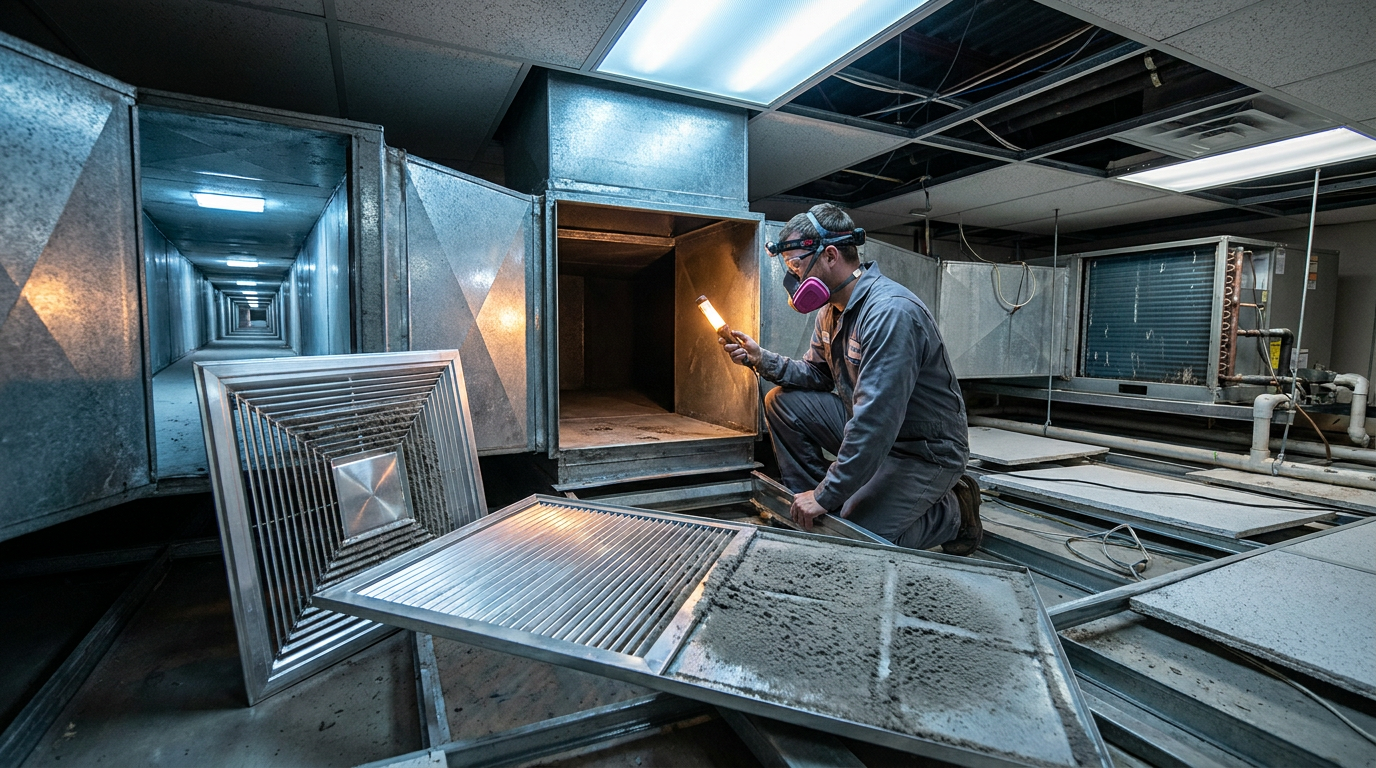
Vent Grille vs. HVAC System Cleaning: Defining Commercial Scope
Compare commercial air duct cleaning quotes by component. Ask about grilles, ducts, coils, access limits, exclusions and the verification method proposed.
Read the guide
Free Commercial Cleaning Consultation: What to Expect in 2026
Learn exactly what happens during a free commercial cleaning consultation, how to prepare, and what questions to ask. Get transparent pricing and scope clarity.
Read the guide
What to Expect During Commercial Deep Cleaning Service
Learn exactly what happens during a commercial deep cleaning service, from pre-cleaning assessment to final inspection. Includes timelines, costs, and preparation tips.
Read the guide
Ready for a Spotless Space?
Get a free, no-obligation estimate for your commercial cleaning project. Most quotes delivered within 24 hours.