Commercial Floor Polish vs Wax: Which Coating Is Right?
COMMERCIAL FLOOR POLISH VS WAX: WHICH PROTECTIVE COATING IS RIGHT FOR YOUR FACILITY
Compare commercial floor polish vs wax to find the right protective coating for your facility. Learn costs, maintenance needs, and which floors need which finish.
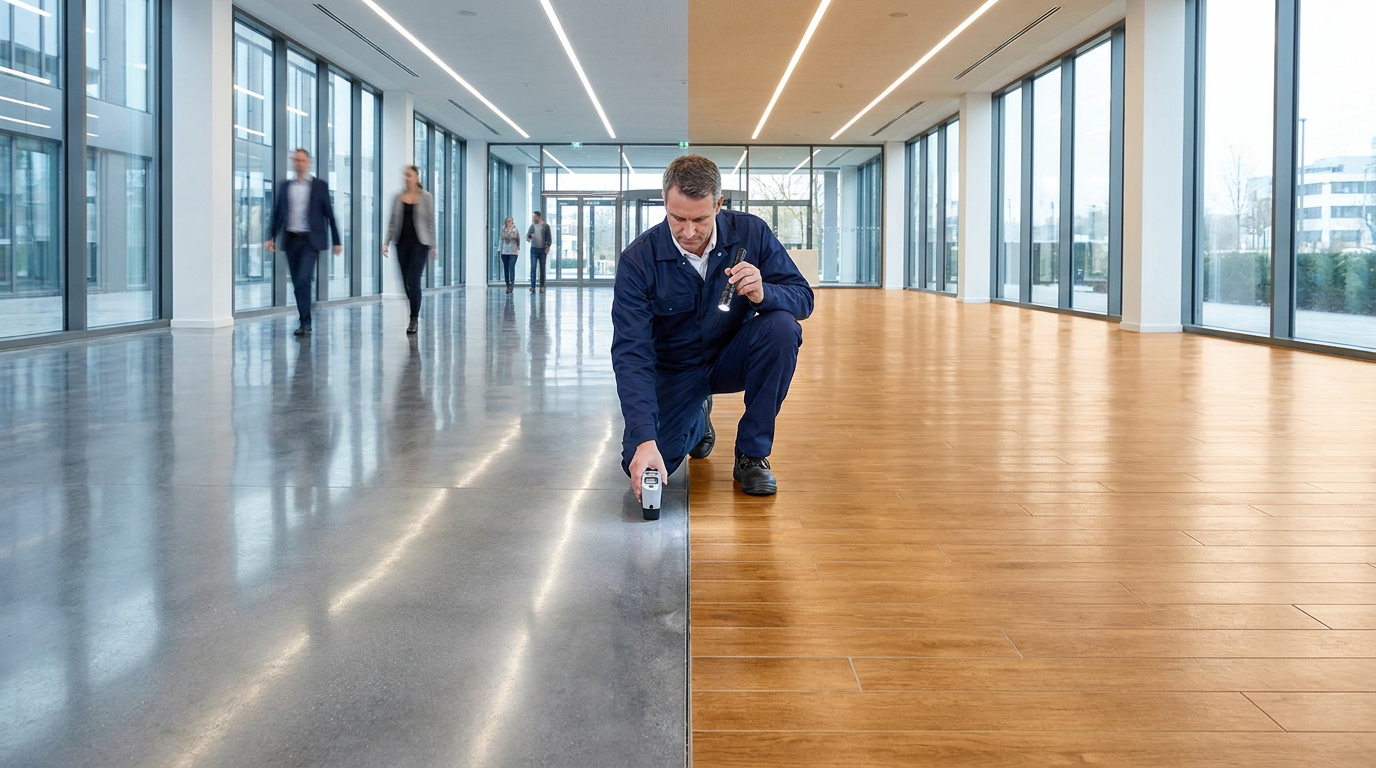
Floor wax builds a thick, sacrificial protective layer that requires periodic stripping and recoating every 6 to 12 months. Floor polish enhances shine and provides lighter protection with easier maintenance between deep restorations. The right choice depends on your floor type, traffic volume, maintenance budget, and the appearance standards your facility requires.
- Floor wax costs $0.85 to $1.80 per square foot for full strip and recoat; polish maintenance runs $0.60 to $1.50 per square foot
- VCT, vinyl, and linoleum floors perform best with wax; polished concrete and terrazzo often need specialized polish systems
- High traffic facilities (2,000+ daily visitors) typically need wax recoating every 3 to 4 months or quarterly scrub and recoat service
- South Florida humidity above 60% accelerates finish breakdown, requiring 20 to 30% more frequent maintenance cycles
Understanding the Core Difference Between Floor Wax and Floor Polish
Floor wax refers to a thermoplastic finish that bonds to resilient flooring surfaces and creates multiple protective layers. According to the International Sanitary Supply Association (ISSA), commercial floor wax typically contains acrylic polymers, zinc crosslinkers, and plasticizers that harden into a durable film. This film absorbs foot traffic damage instead of letting it reach the actual floor surface.
Floor polish, by contrast, is a maintenance product designed to restore shine and provide light surface protection between major restoration cycles. Polish formulations from manufacturers like Diversey, Betco, and SC Johnson Professional contain lower solids content (typically 15 to 20% versus 25 to 30% in floor wax) and cure to a thinner film.
The practical distinction matters for facility managers: wax systems require complete removal (stripping) before reapplication, while polish can often be buffed or burnished without full removal. A 10,000 square foot retail space might spend $8,500 to $18,000 annually on a wax program versus $6,000 to $15,000 on a polish maintenance approach.
Which Floor Types Need Wax vs Polish
Floor material determines which coating system works. Using the wrong product damages floors, wastes money, and creates safety hazards. The Resilient Floor Covering Institute (RFCI) provides manufacturer guidelines that specify compatible finish systems for each flooring category.
| Floor Type | Recommended Coating | Maintenance Frequency | Cost per Sq Ft |
|---|---|---|---|
| VCT (Vinyl Composition Tile) | Wax (acrylic floor finish) | Strip every 6 to 12 months | $0.85 to $1.80 |
| Luxury Vinyl Plank (LVP) | Polish or manufacturer sealant | Polish every 3 to 6 months | $0.50 to $1.25 |
| Polished Concrete | Concrete densifier + polish | Polish every 12 to 24 months | $0.50 to $1.50 |
| Terrazzo | Crystallization or polish | Polish every 6 to 12 months | $0.60 to $2.00 |
| Ceramic Tile | Penetrating sealer (no wax) | Reseal every 2 to 3 years | $0.40 to $1.00 |
| Linoleum | Wax (acrylic floor finish) | Strip every 6 to 12 months | $0.85 to $1.80 |
VCT remains the most common commercial flooring in schools, retail stores, and healthcare facilities across South Florida. This flooring requires wax because its porous surface absorbs soil and stains without a protective barrier. A professional floor stripping and waxing service removes all old finish layers before applying fresh coats.
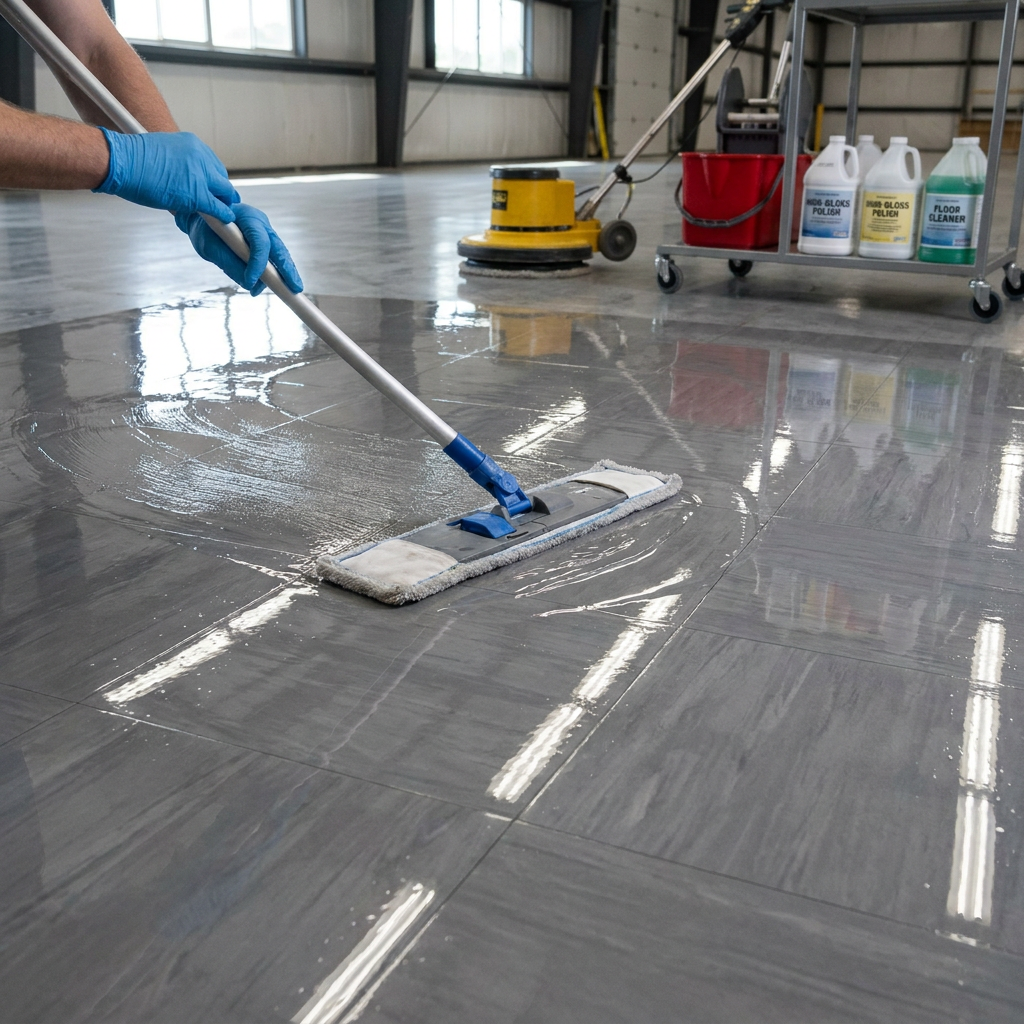
The True Cost Comparison: Wax Programs vs Polish Programs
Initial product cost tells only part of the story. Labor, equipment, downtime, and long term floor replacement costs determine actual value. According to facility management data from the International Facility Management Association (IFMA), flooring represents 8 to 12% of total building maintenance budgets in commercial properties.
Wax Program Annual Costs (10,000 Sq Ft Facility)
A complete wax maintenance program includes quarterly scrub and recoat services plus one annual full strip and wax. The quarterly scrub and recoat service removes the top damaged layer and applies 2 to 3 fresh coats without full stripping. This extends finish life significantly.
- Annual strip and wax: $8,500 to $18,000 (at $0.85 to $1.80 per square foot)
- Quarterly scrub and recoat (4x): $24,000 to $60,000 annually (at $0.60 to $1.50 per square foot each)
- Total annual investment: $32,500 to $78,000
- Floor lifespan extension: 15 to 25 years with proper maintenance
Polish Program Annual Costs (10,000 Sq Ft Facility)
Polish programs work best for floors that do not accept traditional wax, such as polished concrete, sealed stone, or factory finished LVP. These systems require different equipment (burnishers, diamond pads) and chemistry.
- Bi-monthly burnishing: $18,000 to $36,000 annually (at $0.30 to $0.60 per square foot, 6 visits)
- Annual deep polish restoration: $5,000 to $15,000
- Total annual investment: $23,000 to $51,000
- Floor lifespan: Depends on base material (concrete: 50+ years; LVP: 10 to 20 years)
How Traffic Volume Affects Your Coating Decision
The Building Owners and Managers Association (BOMA) categorizes commercial spaces by daily foot traffic. This classification directly impacts how quickly floor finishes degrade and which coating system provides better protection.
| Traffic Level | Daily Visitors | Facility Examples | Recommended Approach |
|---|---|---|---|
| Light | Under 500 | Small offices, boutiques | Polish every 6 months |
| Moderate | 500 to 2,000 | Medical offices, daycares | Wax with quarterly recoat |
| Heavy | 2,000 to 5,000 | Schools, retail stores | Wax with monthly spot recoat |
| Extreme | 5,000+ | Airports, malls, hospitals | High durability wax + weekly maintenance |
Schools and daycares in Miami-Dade, Broward, and Palm Beach counties face unique challenges. These facilities need DCF compliant cleaning that uses child safe, low VOC products while maintaining durable floor protection against heavy foot traffic from children.
South Florida Climate Considerations for Floor Coatings
Humidity levels in Miami, Fort Lauderdale, and West Palm Beach average 73 to 77% year round, according to the National Weather Service. This constant moisture exposure affects floor finish performance in ways that facilities in drier climates never experience.
High humidity causes several problems for floor coatings. Wax finishes absorb moisture and become soft, making them more susceptible to scuffing and black heel marks. Polish finishes can develop a hazy appearance as moisture gets trapped beneath the surface film. Both coating types require 20 to 30% more frequent maintenance in South Florida compared to facilities in Arizona or Colorado.
Temperature fluctuations also matter. When air conditioned spaces (kept at 68 to 72 degrees Fahrenheit) meet humid outdoor air (85 to 95 degrees Fahrenheit), condensation forms on floor surfaces. This moisture infiltrates finish layers and accelerates breakdown. Facilities should maintain consistent HVAC operation and use entrance matting systems that capture moisture before it reaches finished floors.
Signs Your Floors Need Wax vs Signs They Need Polish
Identifying the correct service prevents wasted money on unnecessary treatments. Commercial floor deep cleaning professionals assess these indicators during on site evaluations.
Your Floors Need Full Stripping and Waxing When:
- Yellowing appears: Old wax oxidizes and turns yellow, especially along edges and under furniture
- Wax buildup creates uneven surfaces: Multiple recoat layers without stripping create ridges and valleys
- Embedded scuff marks won't buff out: Black marks that penetrate through finish layers require removal
- Peeling or flaking occurs: Finish separating from the floor indicates adhesion failure
- Water spots remain after cleaning: Compromised finish allows moisture penetration
Your Floors Need Polish or Scrub and Recoat When:
- Surface appears dull but uniform: Finish is intact but has lost its shine
- Light scuffing responds to buffing: Marks exist only in the top finish layer
- No yellowing or discoloration: Existing finish remains clear and even
- Last full strip was within 6 months: Recent restoration just needs refreshing
- Budget constraints exist: Polish costs 30 to 50% less than full stripping
Industry Specific Coating Recommendations
Different commercial environments have unique requirements based on regulatory standards, aesthetic expectations, and operational constraints. The coating choice must align with industry specific needs.
Healthcare and Medical Facilities
Medical offices, clinics, and healthcare facilities require floor finishes that support infection control protocols. The Centers for Disease Control and Prevention (CDC) recommends smooth, non porous floor surfaces that can withstand frequent disinfection with EPA registered products. High solids wax (25 to 30% solids content) provides the durable, seamless surface these facilities need.
Retail and Shopping Centers
Retail environments prioritize appearance because floor condition directly impacts customer perception and purchasing behavior. A 2023 retail environment study found that 67% of shoppers notice floor cleanliness within the first 30 seconds of entering a store. Retail floor cleaning services typically recommend high gloss wax programs with monthly maintenance visits.
Hotels and Hospitality
Lobby floors in hotels across Miami Beach, Brickell, and Fort Lauderdale often feature marble, terrazzo, or polished concrete. These materials require crystallization or diamond polishing rather than traditional wax. Hotel and hospitality cleaning services use multi step diamond polishing processes (grind, hone, polish, crystallize) to maintain five star appearances.
Office Buildings
Class A office buildings in downtown Miami and Brickell typically have mixed flooring: VCT in back of house areas, polished concrete or stone in lobbies, and carpet in tenant spaces. Property managers need coating programs that address each surface type appropriately. Office building cleaning programs coordinate multiple floor care services under unified maintenance schedules.
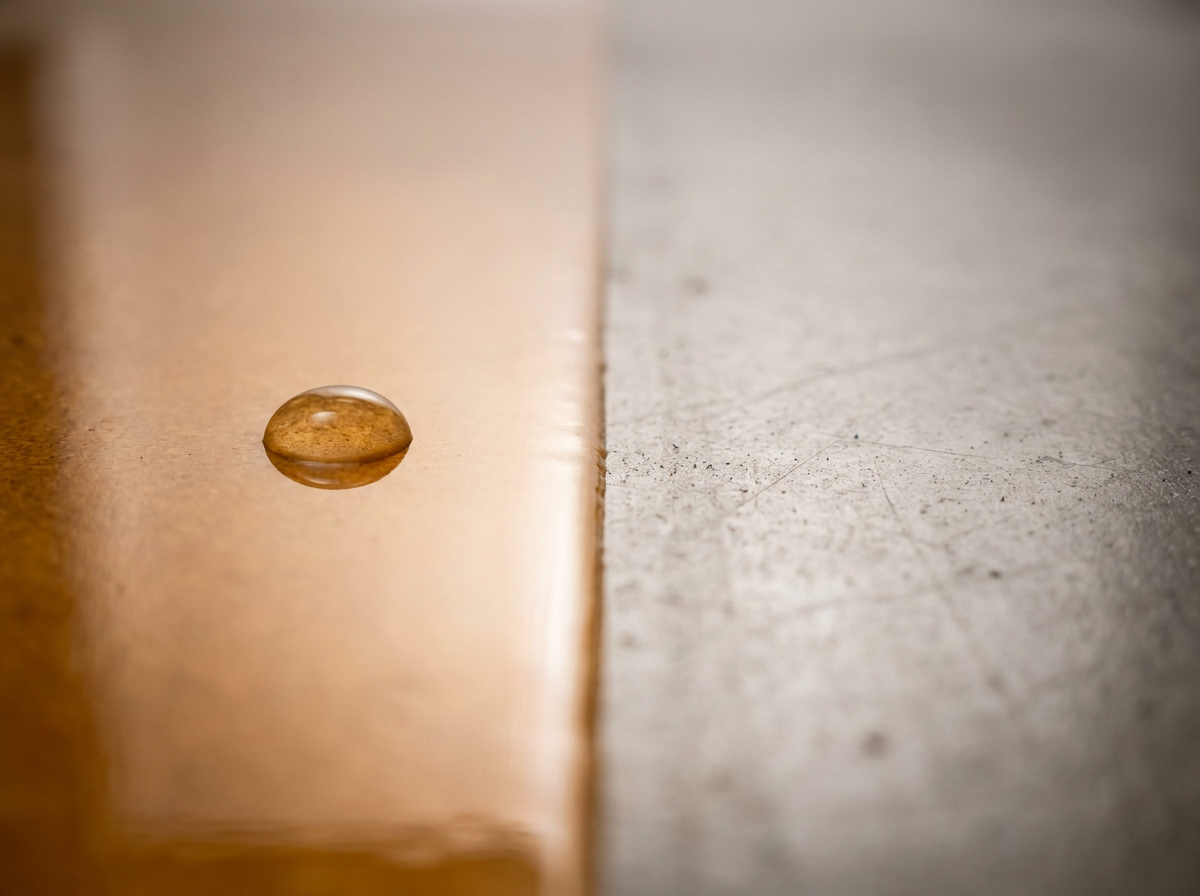
The Scrub and Recoat Alternative: Best of Both Worlds
Many facility managers overlook the middle option between full stripping and simple polishing. A scrub and recoat service machine scrubs the top layer of existing finish to remove embedded dirt and surface damage, then applies 2 to 3 fresh coats of floor wax. This approach costs 30 to 40% less than full stripping while restoring 80 to 90% of the floor's original appearance.
The scrub and recoat process works best when existing finish is still bonded to the floor but has lost its shine and accumulated surface damage. Most commercial VCT floors benefit from scrub and recoat every 3 to 6 months between annual full strip and wax services.
This maintenance schedule dramatically extends floor lifespan. VCT flooring that receives proper wax maintenance can last 20 to 25 years before requiring replacement. Neglected VCT typically needs replacement after 8 to 12 years due to permanent staining, gouging, and surface degradation.
Common Mistakes That Ruin Floor Coatings
Even the best coating fails when applied incorrectly or maintained improperly. Avoid these frequent errors that facility managers and janitorial staff make.
Using incompatible cleaning chemicals: Alkaline floor cleaners with pH above 10 strip wax finish with every mopping. Use neutral pH cleaners (pH 7 to 9) for daily maintenance on waxed floors. The ISSA Cleaning Industry Management Standard (CIMS) specifies chemical compatibility requirements.
Applying finish over dirty floors: Soil trapped under new finish creates permanent discoloration and adhesion problems. Professional floor care always includes thorough cleaning and complete drying before any coating application.
Skipping proper cure time: Floor wax requires 30 to 60 minutes of cure time between coats and 8 to 24 hours before foot traffic. Walking on uncured finish creates permanent marks and reduces durability by up to 40%.
Over applying product: More coats do not equal better protection. Excessive finish buildup creates yellowing, peeling, and uneven surfaces. Most floors need 4 to 6 coats maximum after stripping.
How to Choose the Right Floor Care Partner
The coating product matters less than the application quality. A mediocre product applied by skilled technicians outperforms premium products applied incorrectly. Evaluate floor care providers on these criteria.
Equipment quality: Professional floor care requires commercial grade auto scrubbers, rotary machines, and burnishers. Companies using residential equipment cannot achieve commercial results. Ask about equipment specifications and maintenance schedules.
Technician training: Floor care technicians should understand floor types, finish chemistry, and proper application techniques. Certifications from ISSA, IICRC, or manufacturer training programs indicate professional competence.
Insurance and licensing: Floor care involves chemical handling and heavy equipment operation. Verify that providers carry general liability insurance (minimum $1 million), workers compensation coverage, and appropriate business licenses.
Documentation practices: Professional providers document floor conditions before and after service, specify products used, and provide maintenance recommendations. This documentation protects both parties and supports warranty claims.
Frequently Asked Questions
What is the difference between floor wax and floor polish?
Floor wax is a thermoplastic finish that creates a thick protective layer requiring periodic stripping for removal. Floor polish is a lighter maintenance product that enhances shine without building multiple layers. Wax provides superior protection; polish provides easier maintenance.
How often should commercial floors be stripped and rewaxed?
Most commercial VCT floors need full stripping and waxing every 6 to 12 months, depending on traffic volume. High traffic facilities (schools, retail, healthcare) may need stripping every 4 to 6 months. Quarterly scrub and recoat services between full strips extend finish life and reduce total costs.
Can you use polish on floors that were previously waxed?
Yes, but only after proper preparation. Polish applied over intact wax finish provides temporary shine enhancement. However, polish cannot repair damaged wax or substitute for proper recoating. For best results, scrub and recoat with compatible wax products rather than applying polish over existing wax.
Is floor wax slippery for employees and customers?
Properly applied and maintained floor wax is not excessively slippery. Modern commercial floor finishes meet ANSI/NFSI B101.1 slip resistance standards. Slippery conditions typically result from over application, improper cure time, or contamination from oils or cleaning residue. Regular maintenance with appropriate products maintains safe traction levels.
Which floor finish is best for high traffic retail spaces?
High traffic retail spaces with VCT or vinyl flooring benefit most from high solids acrylic floor wax (25 to 30% solids content) with monthly scrub and recoat maintenance. This combination provides durable protection, maintains high gloss appearance, and supports the frequent cleaning these environments require.
Making Your Decision: A Quick Reference Guide
Use this decision framework to determine whether wax or polish is right for your South Florida facility.
Choose wax if: Your floors are VCT, vinyl, or linoleum; you need maximum protection against heavy traffic; you can accommodate periodic 8 to 24 hour downtime for full restoration; appearance standards require high gloss finish.
Choose polish if: Your floors are polished concrete, terrazzo, or sealed stone; you need lower maintenance requirements; budget constraints limit full restoration frequency; you prefer a more natural, satin appearance.
Choose scrub and recoat if: Your waxed floors need refreshing but not full stripping; budget is a concern but appearance matters; you want to extend time between full strip services; floors show surface wear but no yellowing or adhesion failure.
For facilities with mixed flooring types, a comprehensive floor care program addresses each surface appropriately. Request a free on site floor assessment to receive customized recommendations based on your specific floor types, traffic patterns, and maintenance goals.
Get a Free Floor Assessment for Your South Florida Facility
MB Clean Solutions provides complimentary on site evaluations for commercial properties across Miami-Dade, Broward, and Palm Beach counties. Our team identifies your floor types, assesses current condition, and recommends the right coating program for your facility. Most quotes delivered within 24 hours.
Schedule Your Free AssessmentSiga leyendo
Más guías sobre el mismo tema.
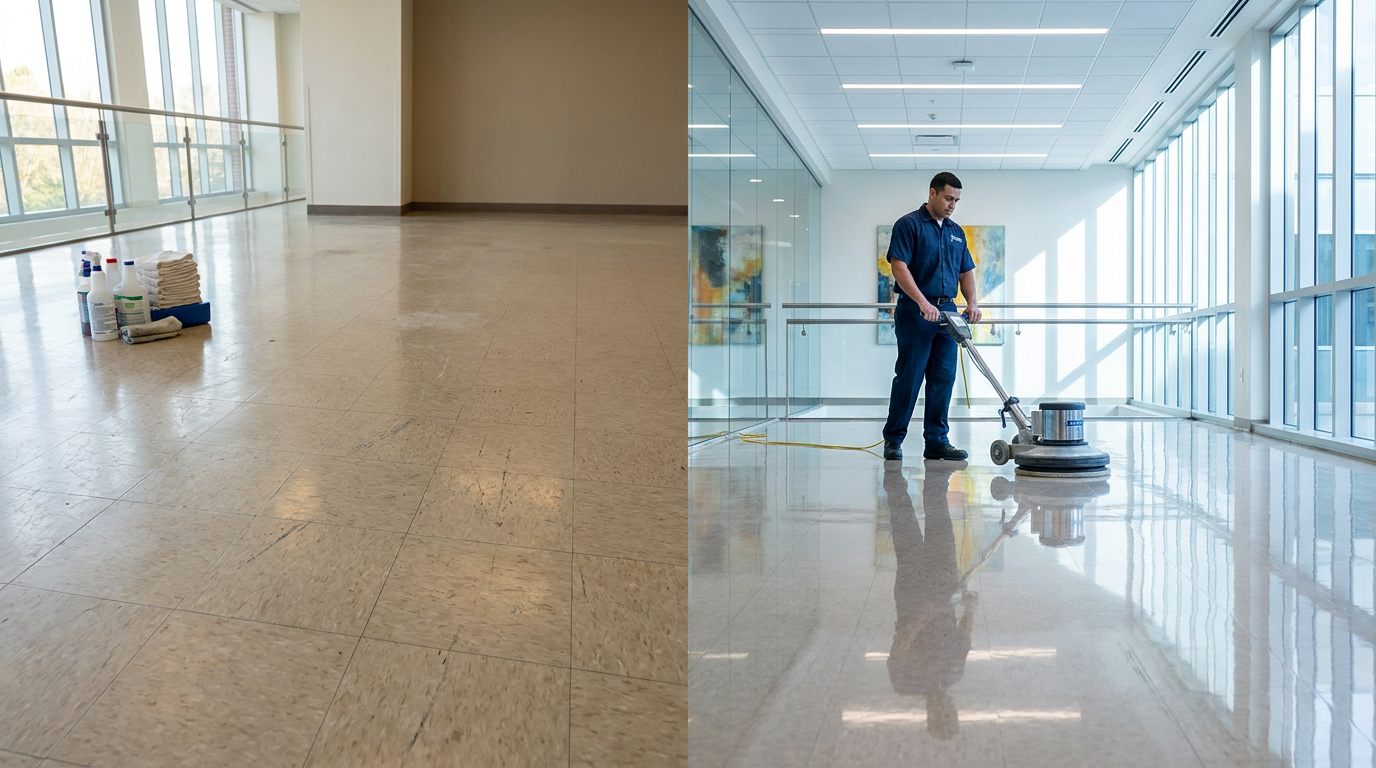
Commercial Floor Stripping and Waxing Cost Per Square Foot (2026)
Commercial floor stripping and waxing costs $0.25 to $1.80 per square foot. Get exact pricing factors, VCT rates, and maintenance schedules for your facility.
Leer la guía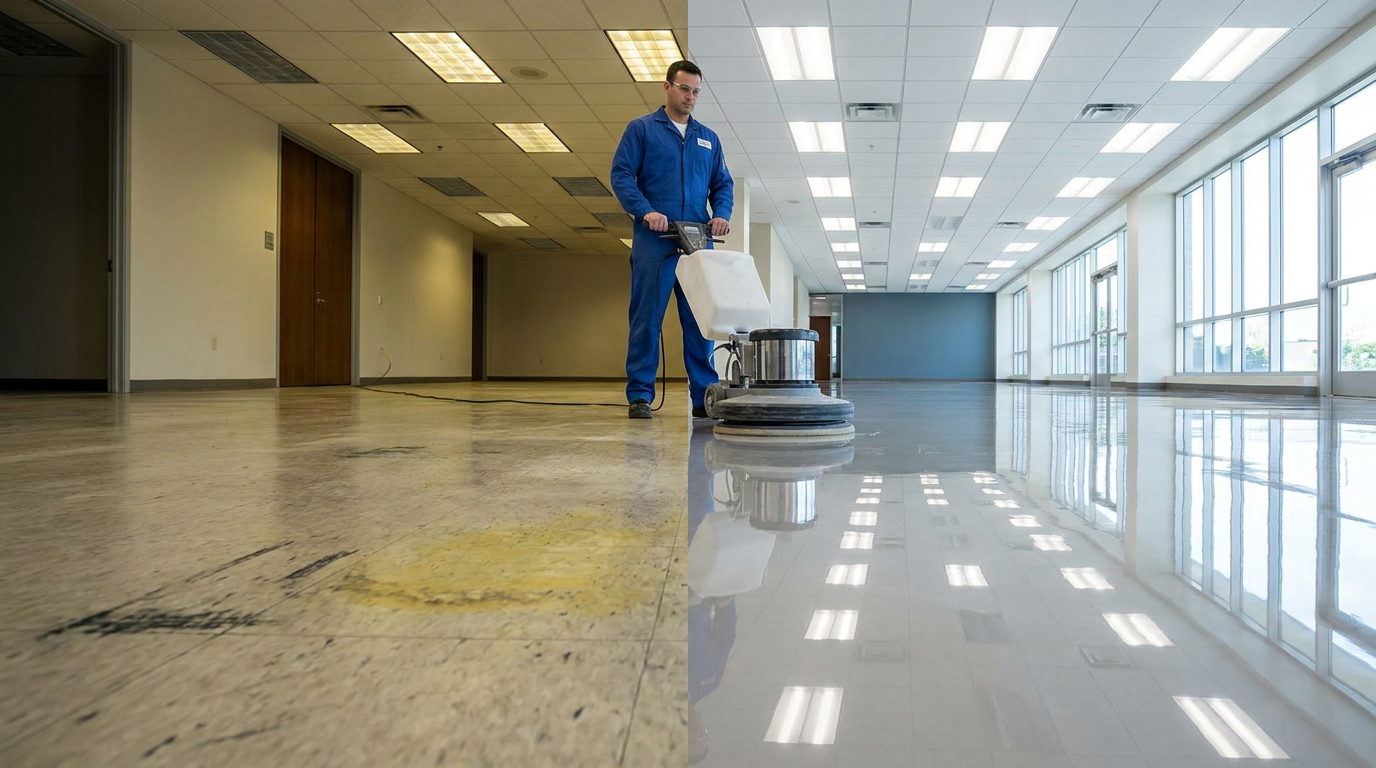
Floor Stripping vs Polishing: Which Service Your Building Needs
Learn when to choose floor stripping over polishing for commercial spaces. Compare costs, timelines, and results to make the right decision for your facility.
Leer la guía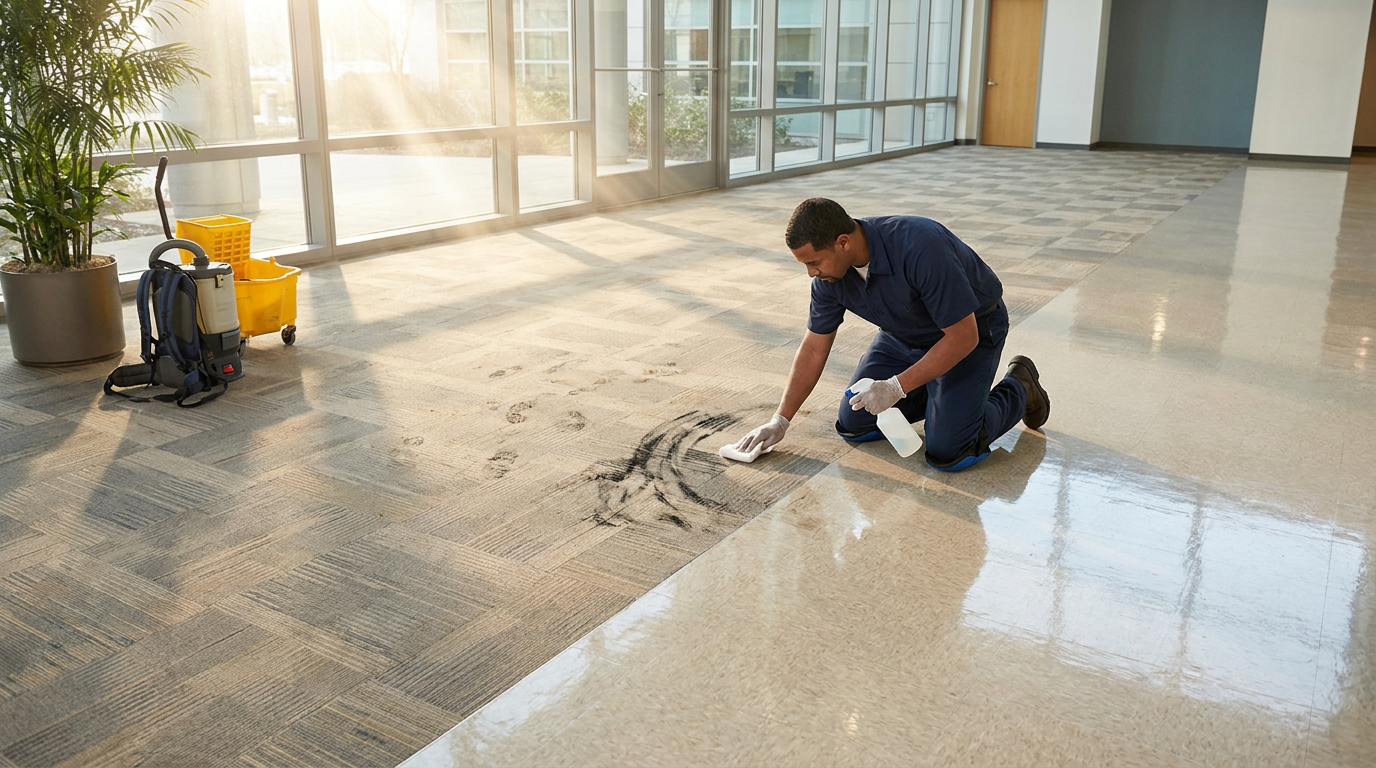
How to Remove Scuff Marks from Commercial VCT and Vinyl Floors
Learn proven methods to remove stubborn scuff marks from commercial VCT and vinyl floors, from DIY techniques to professional restoration services.
Leer la guía
¿Listo Para un Espacio Impecable?
Obtenga un estimado gratis y sin compromiso para su proyecto de limpieza comercial. La mayoría de las cotizaciones se entregan en 24 horas.