Hospitality Cleaning Standards: Complete 2026 Hotel Guide
HOSPITALITY CLEANING STANDARDS
Learn the 7 essential hospitality cleaning standards for hotels, including inspection checklists, ATP testing benchmarks, and deep cleaning frequencies.
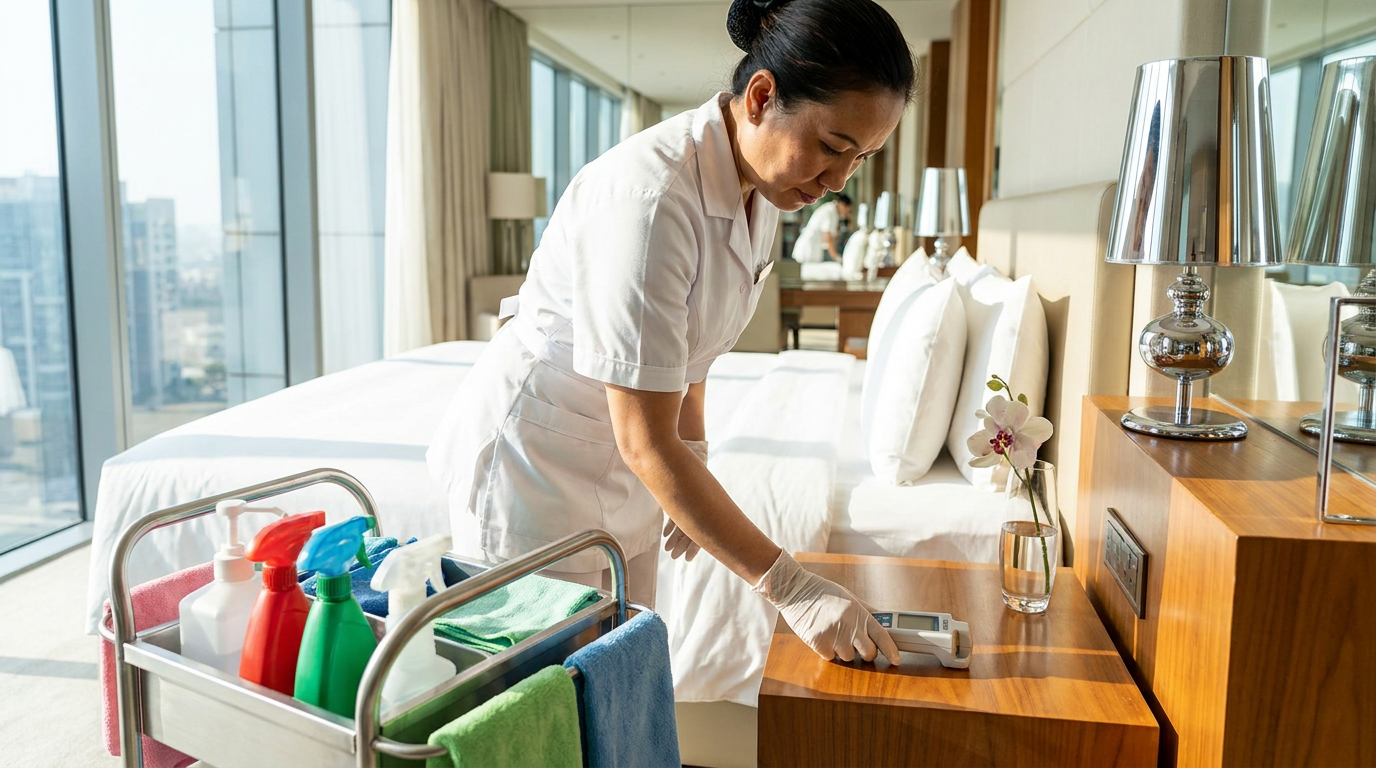
Hospitality cleaning standards are the documented policies, inspection criteria, and verification methods that ensure guest rooms, public areas, and back-of-house spaces meet health, safety, and brand requirements. These standards typically include visual cleanliness benchmarks, defined cleaning frequencies, ATP testing thresholds below 250 RLU, and supervisor inspection protocols with 90% or higher pass rates.
- The 7 housekeeping standards are appearance, hygiene, time management, equipment, linen, safety, and service
- Guest room cleaning takes 20 to 30 minutes for stayovers and 30 to 45 minutes for checkouts
- ATP testing should show readings below 250 RLU for surfaces to be considered hygienically clean
- Deep cleaning should occur quarterly for guest rooms and monthly for high-traffic public areas
- Quality inspection pass rates should exceed 90% across all room types and shifts
What Are the 7 Standards for Housekeeping?
The seven housekeeping standards, recognized by the American Hotel and Lodging Association (AHLA) and major hotel brands including Marriott, Hilton, and Hyatt, form the foundation of professional hospitality cleaning. According to LinkedIn industry research, these standards ensure consistency across properties regardless of location or staff turnover.
Appearance refers to the visual presentation of all spaces, including properly made beds, aligned amenities, dust-free surfaces, and spotless mirrors. Hygiene covers sanitation protocols, disinfection of high-touch surfaces, and pathogen elimination verified through ATP testing.
Time management establishes productivity benchmarks: 12 to 18 rooms per attendant per 8-hour shift, depending on property type. Equipment standards require properly maintained vacuums, microfiber systems, and color-coded cleaning tools to prevent cross-contamination.
Linen standards address fresh bedding, towel presentation, and proper handling to prevent contamination during transport. Safety encompasses OSHA compliance, chemical handling procedures, and wet floor protocols. Service defines guest interaction expectations, including the 15-5 rule for acknowledging guests.
The 5 C's of Hospitality Explained
The 5 C's framework, widely taught at the EHL Hospitality Business School and Cornell School of Hotel Administration, provides a quality assurance model for cleaning operations. These principles guide both daily housekeeping and periodic deep cleaning programs.
| Standard | Definition | Verification Method |
|---|---|---|
| Cleanliness | No visible dirt, dust, stains, or debris on any surface | Visual inspection, blacklight testing |
| Comfort | Temperature 68 to 72 degrees F, proper lighting, fresh air | Thermostat check, HVAC function test |
| Convenience | All amenities stocked, accessible, and properly placed | Checklist verification |
| Consistency | Same standard across all rooms, all shifts, all days | Random audit sampling, QA scoring |
| Communication | Clear reporting of maintenance issues and guest requests | Work order tracking, response time metrics |
Properties that consistently achieve all 5 C's report 23% higher guest satisfaction scores, according to a 2025 J.D. Power Hotel Guest Satisfaction Study. The framework applies equally to luxury resorts and limited-service properties.
Understanding the 15-5 Rule in Housekeeping
The 15-5 rule is a guest interaction protocol that requires housekeeping staff to make eye contact and smile at guests within 15 feet, then offer a verbal greeting within 5 feet. This standard, originally developed by Marriott International, has been adopted across the hospitality industry.
Implementation requires training staff to pause cleaning activities when guests approach. The greeting should be brief and professional: "Good morning" or "Hello, is there anything you need?" Staff should then resume work unless the guest requires assistance.
Properties enforcing the 15-5 rule see measurable improvements in guest perception scores. A 2024 Cornell Hospitality Quarterly study found that housekeeping interactions account for 18% of overall service perception, second only to front desk experiences.
The 5 Cleaning Standards for Hospitality Facilities
The ISSA (International Sanitary Supply Association) defines five cleaning levels that apply to hospitality environments. These standards, also referenced in APPA facility management guidelines, help properties benchmark their cleaning programs against industry norms.
Level 1 (Orderly Spotlessness) represents the highest standard, with no dust, dirt, or marks visible under any lighting condition. This level requires 4 to 5 cleaning cycles per day and is typically reserved for VIP suites and executive floors.
Level 2 (Ordinary Tidiness) is the standard for most guest rooms, allowing minimal dust accumulation in corners and under furniture. Surfaces must be visibly clean and sanitized. This requires 2 to 3 cleaning cycles daily.
Level 3 (Casual Inattention) permits visible dust on high surfaces and minor spots on floors. This level is acceptable for back-of-house areas and staff corridors but never for guest-facing spaces.
Level 4 (Moderate Dinginess) shows obvious cleaning neglect with dust buildup, stained floors, and spotted fixtures. No hospitality property should operate at this level in any area.
Level 5 (Unkempt Neglect) indicates complete cleaning failure with health code violations likely. Properties at this level face regulatory action and severe reputation damage.
Guest Room Cleaning Standards and Inspection Checklist
Professional hotel housekeeping follows a systematic approach that ensures no area is missed. The ABCD method, referenced by SiteMinder and other hospitality technology platforms, provides a framework: Air (ventilation and odors), Bed (linens and presentation), Circulation (clear floor space), and Details (amenities and finishing touches).
Room Entrance and General Area
Inspection begins at the door. The door frame, lock mechanism, and peephole must be clean and functional. Room numbers and signage should be free of smudges. Upon entry, the room should have a neutral odor with no traces of smoke, mustiness, or previous guests.
Light switches and thermostats near the entrance require disinfection with EPA-registered products. The entry closet, if present, needs vacuumed flooring and wiped shelving. Hangers should be evenly spaced and facing the same direction.
Bedroom Area Standards
Bed presentation follows brand-specific standards, but universal requirements include tight hospital corners, centered pillows, and wrinkle-free linens. Mattress protectors must be inspected for stains and replaced if compromised. According to hotel industry data, 67% of guest complaints relate to bedding quality.
Nightstands require surface cleaning and drawer inspection. Lamps must function with no burned-out bulbs. TV remotes, one of the highest-contamination items in hotel rooms according to a University of Houston study, require thorough disinfection between guests.
Curtains and blinds need dust removal and smooth operation. Flooring requires vacuuming with HEPA-filtered equipment, with special attention to corners and under furniture where 40% of dust accumulates.
Bathroom Cleaning Protocol
Bathroom cleaning demands the most rigorous standards due to health implications. Toilets require interior bowl cleaning, exterior surface disinfection, and base cleaning where bacteria concentrate. The CDC recommends EPA-registered disinfectants with contact times of at least 1 minute for pathogen elimination.
Showers and tubs must be free of soap scum, mildew, and hair. Grout lines require regular deep cleaning to prevent mold growth, particularly in South Florida's humid climate where mold can develop within 24 to 48 hours on damp surfaces.
Sinks and faucets need polishing to remove water spots. Mirrors require streak-free cleaning. Toiletries must be restocked and aligned according to brand standards, typically with labels facing forward.
Public Area Cleaning Standards
Public areas require more frequent attention than guest rooms due to continuous traffic. Lobbies, elevators, corridors, and restrooms represent the first impression guests receive and directly impact online reviews.
Lobby and Reception Areas
Lobby floors require cleaning every 2 to 4 hours during peak periods. For properties with marble flooring, this includes dust mopping with treated microfiber and periodic professional marble restoration to maintain the polished appearance guests expect.
Seating areas need hourly inspection for debris and spills. Glass surfaces, including entry doors and interior partitions, require cleaning every 4 hours to remove fingerprints. Reception desks must be sanitized between each guest interaction.
Elevator and Corridor Maintenance
Elevator buttons rank among the highest-touch surfaces in any hotel, with thousands of contacts daily. Disinfection should occur every 30 to 60 minutes during busy periods. Interior walls, handrails, and floors require cleaning at least twice per shift.
Corridors need vacuuming daily with spot cleaning as needed. Wall sconces and artwork require weekly dusting. Ice machine alcoves demand daily sanitization and monthly deep cleaning of the machines themselves.
Public Restroom Standards
Public restrooms require inspection and cleaning every 60 minutes during operating hours, with documentation on a posted log. This frequency increases during events or high-occupancy periods. Supplies must be checked and restocked at each inspection.
Floor care in public restrooms should include auto-scrubbing daily and periodic commercial floor deep cleaning to address grout lines and tile surfaces where bacteria accumulate.
Deep Cleaning vs. Daily Housekeeping: Understanding the Difference
Daily housekeeping maintains cleanliness between guests, while deep cleaning addresses accumulated soil, allergens, and wear that routine cleaning cannot remove. According to ISSA guidelines, deep cleaning should occur on a scheduled cycle separate from daily operations.
| Task | Daily Cleaning | Deep Cleaning |
|---|---|---|
| Carpet Care | Vacuum high-traffic areas | Hot water extraction every 3 to 6 months |
| Hard Floors | Dust mop and spot clean | Strip, scrub, and refinish quarterly |
| HVAC Vents | Visual inspection only | Remove and clean covers quarterly |
| Upholstery | Spot treat visible stains | Full extraction cleaning annually |
| Bathroom Grout | Surface wipe with disinfectant | Steam clean and reseal every 6 months |
| Behind Furniture | Not addressed | Move and clean quarterly |
Deep cleaning programs should be scheduled during low-occupancy periods when rooms can be taken out of inventory for 4 to 8 hours. Many South Florida properties schedule deep cleaning during September and October, traditionally the slowest months for tourism.
Verification Methods: ATP Testing and Quality Audits
Visual inspection alone cannot verify hygiene standards. ATP (adenosine triphosphate) bioluminescence testing provides objective measurement of organic residue on surfaces. According to Hygiena and 3M, the leading ATP testing manufacturers, readings below 250 RLU indicate acceptable cleanliness for hospitality surfaces.
Testing should focus on high-touch, high-risk surfaces: toilet flush handles, bathroom faucets, TV remotes, light switches, and door handles. A 2024 study published in the International Journal of Hospitality Management found that 34% of hotel room surfaces failed ATP testing even after visual inspection passed.
Quality Audit Scoring Systems
Professional housekeeping operations use scored audits to track performance. A typical 100-point inspection covers 15 to 25 checkpoints with weighted scoring based on guest impact. Bathroom cleanliness typically carries 25 to 30 points, bed presentation 20 to 25 points, and general room condition 45 to 55 points.
Properties should target 90% or higher pass rates across all inspections. Rooms scoring below 80% require immediate reclean before release to inventory. Tracking reclean rates by attendant identifies training needs and accountability issues.
Regulatory Compliance and Health Codes
Hospitality cleaning must comply with multiple regulatory frameworks. OSHA walking-working surface standards (29 CFR 1910 Subpart D) govern floor safety, requiring slip-resistant surfaces and proper wet floor signage. Chemical handling must follow OSHA Hazard Communication standards with proper labeling and Safety Data Sheets.
Local health departments regulate food service areas, pools, and spas with specific cleaning and documentation requirements. In Florida, the Department of Business and Professional Regulation conducts unannounced inspections of hotel restaurants and pool areas.
Fire and life safety codes require clear egress paths, properly maintained fire extinguishers, and functional smoke detectors. Housekeeping staff should report any safety hazards discovered during cleaning.
Operational Benchmarks for Hotel Cleaning Programs
Industry data from STR (Smith Travel Research) and AHLA provides operational benchmarks for housekeeping productivity and cost management. These metrics help properties evaluate their cleaning programs against industry standards.
Rooms per attendant per shift: 12 to 14 for full-service properties, 14 to 18 for limited-service hotels. Luxury properties may assign 8 to 10 rooms to allow for higher detail standards.
Minutes per room: Stayover cleaning averages 20 to 30 minutes; checkout cleaning requires 30 to 45 minutes. Suite configurations add 15 to 20 minutes per additional room.
Labor cost per occupied room: Industry average ranges from $8 to $15 for housekeeping labor, varying by market wage rates and property type.
Inspection frequency: Best practice calls for inspecting 10% to 20% of cleaned rooms daily, with 100% inspection for new staff during their first 90 days.
Implementing Sustainable Cleaning Practices
Environmental sustainability has become a guest expectation and operational priority. The Green Hotels Association and LEED certification programs provide frameworks for sustainable housekeeping operations.
Linen reuse programs reduce water consumption by 30% to 40% when guests opt to reuse towels and bedding. Controlled chemical dosing systems eliminate waste from manual measuring. Microfiber cleaning systems reduce chemical usage by up to 90% compared to traditional cotton cloths.
For floor care, water-efficient auto-scrubbers and proper scrub and recoat maintenance programs extend finish life and reduce the frequency of resource-intensive strip and wax procedures.
Training and Staff Development
Effective cleaning standards require comprehensive training programs. New housekeeping staff should complete 40 to 80 hours of supervised training before working independently, according to AHLA recommendations.
Training should cover chemical safety, equipment operation, brand standards, and guest interaction protocols. Refresher training every 90 days addresses common deficiencies identified through quality audits.
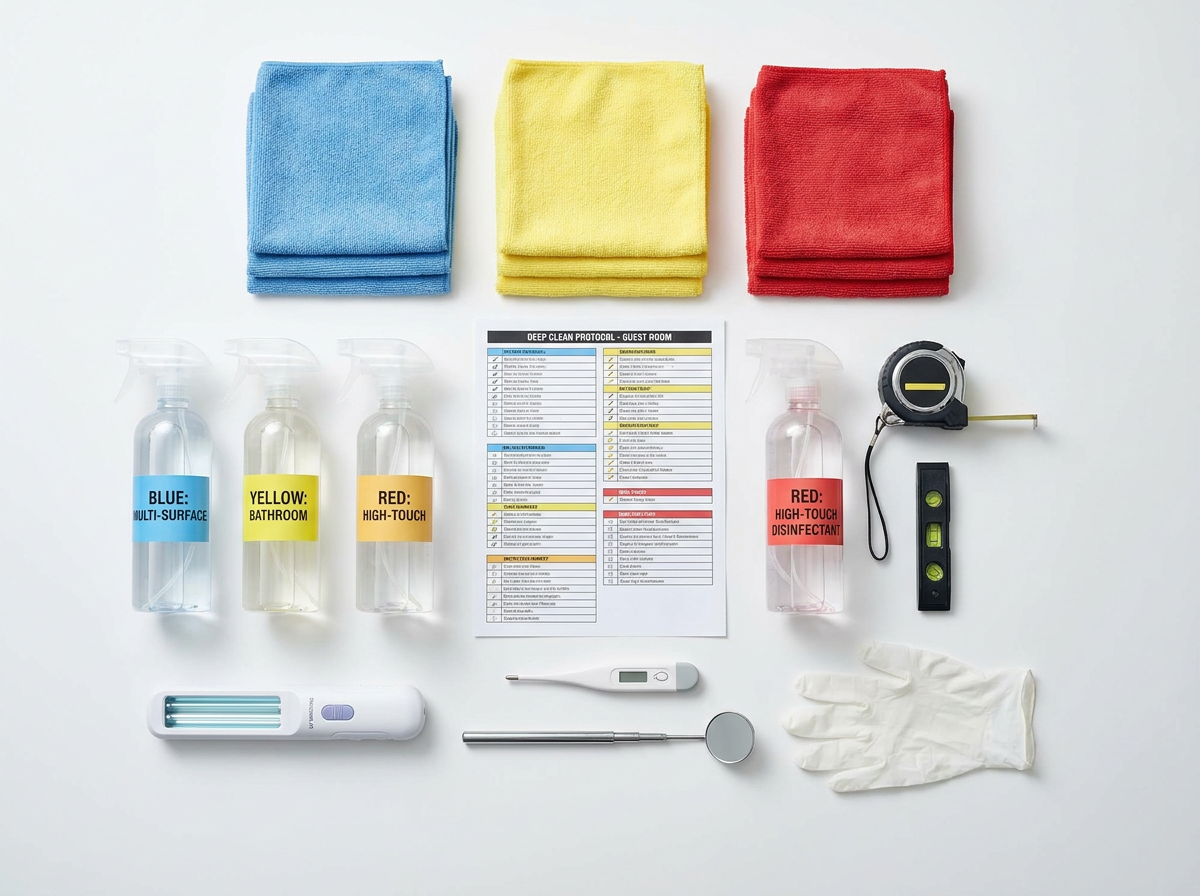
Color-coded cleaning systems prevent cross-contamination: red for toilets and high-risk areas, yellow for other bathroom surfaces, blue for general surfaces, and green for food service areas. This system, developed by Rubbermaid Commercial Products, has become an industry standard.
Working with Professional Cleaning Partners
Many hospitality properties supplement in-house housekeeping with specialized cleaning services for deep cleaning, floor restoration, and post-renovation cleanup. These partnerships allow properties to maintain high standards without investing in specialized equipment.
When selecting a cleaning partner, properties should verify insurance coverage (minimum $1 million general liability), workers' compensation compliance, and experience with hospitality environments. Certifications such as ISSA CIMS or WOSB/SBE status indicate professional operations.
For South Florida hotels requiring hospitality-grade deep cleaning services, local providers offer advantages including faster response times, familiarity with regional humidity challenges, and flexible scheduling around occupancy patterns.
Request a free on-site assessment to evaluate your property's specific needs and receive transparent pricing based on square footage and service scope.
Elevate Your Property's Cleaning Standards
MB Clean Solutions provides hospitality-grade deep cleaning, marble restoration, and floor care services for hotels throughout Miami-Dade, Broward, and Palm Beach counties. Get a free assessment within 24 hours.
Get Your Free QuoteKeep reading
More guides on the same topic from our team.
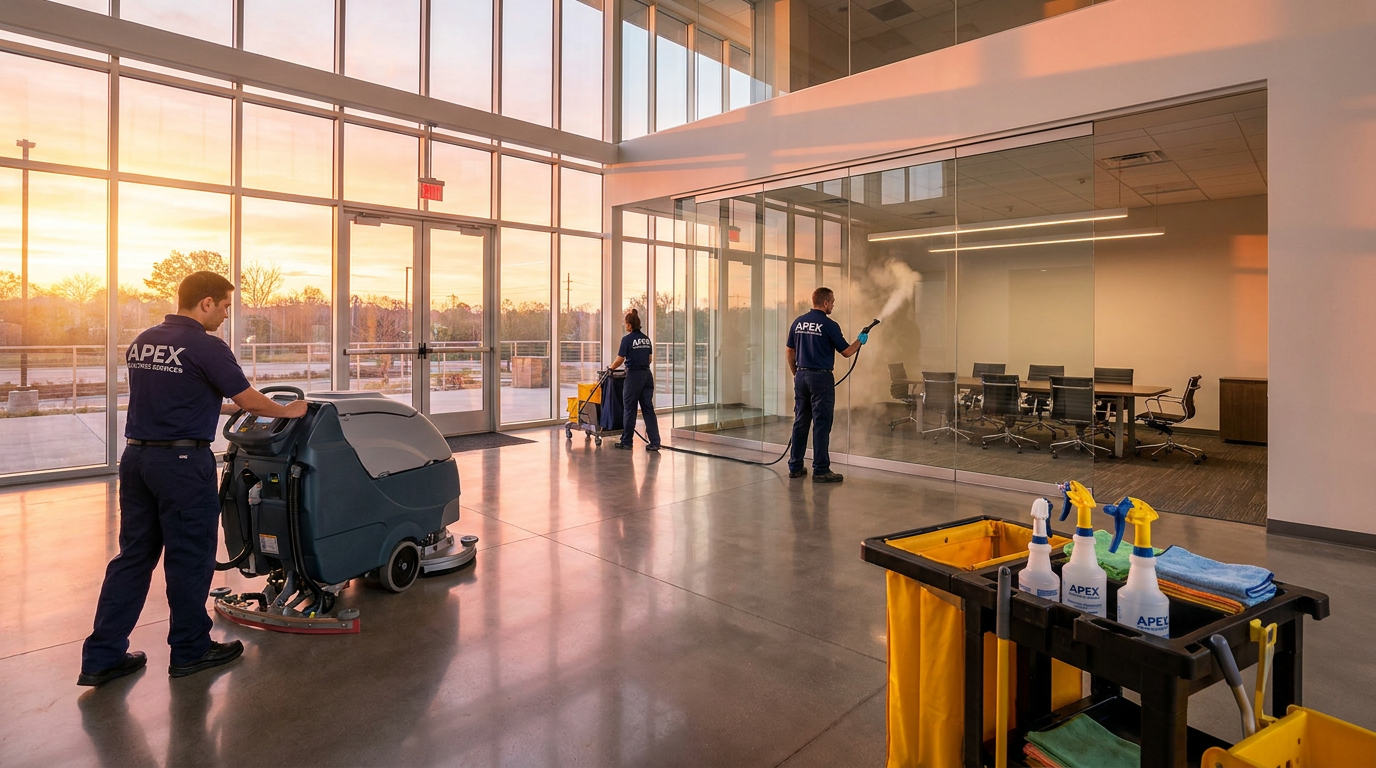
What to Expect During Commercial Deep Cleaning Service
Learn exactly what happens during a commercial deep cleaning service, from pre-cleaning assessment to final inspection. Includes timelines, costs, and preparation tips.
Read the guide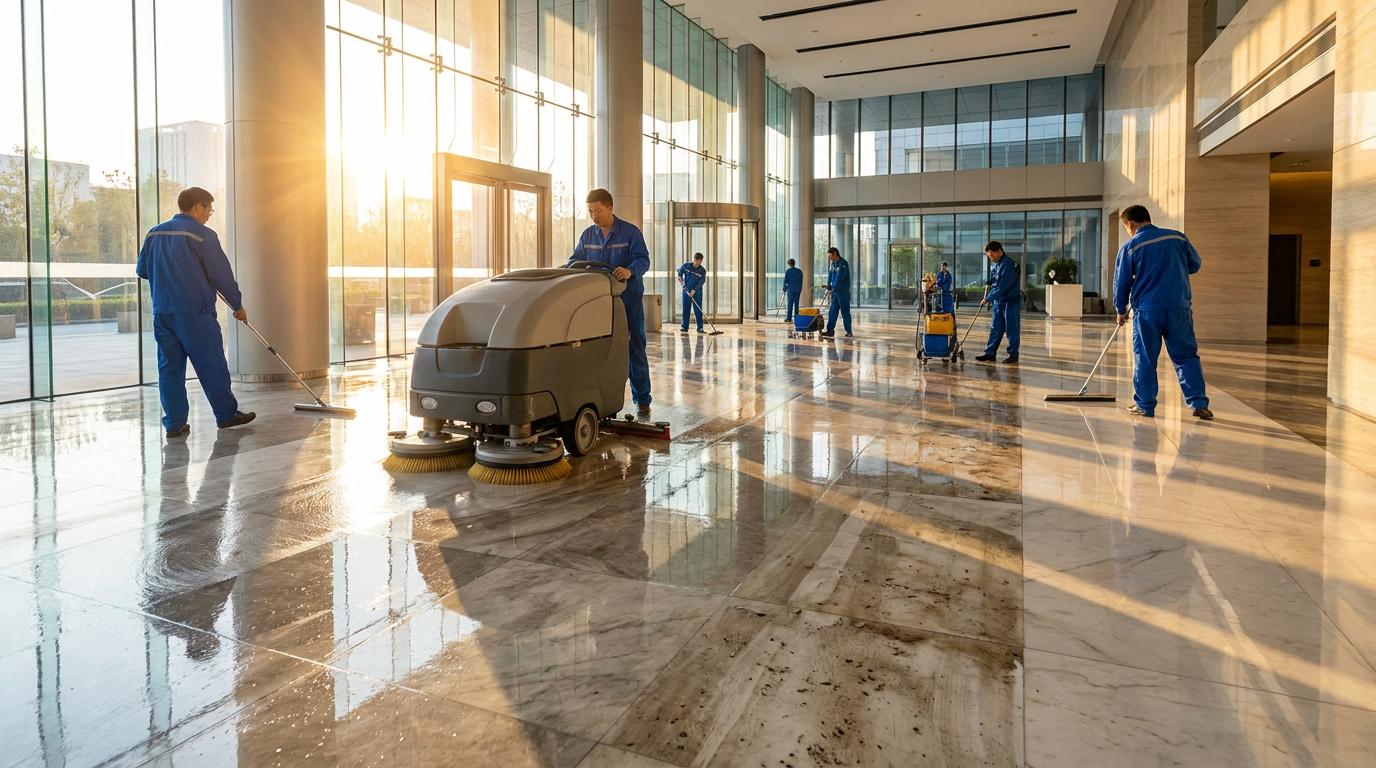
Commercial Deep Cleaning Cost by Square Footage and Building Type
Commercial deep cleaning costs $0.40 to $2.00 per square foot depending on building type, floor condition, and service scope. Get exact pricing breakdowns.
Read the guide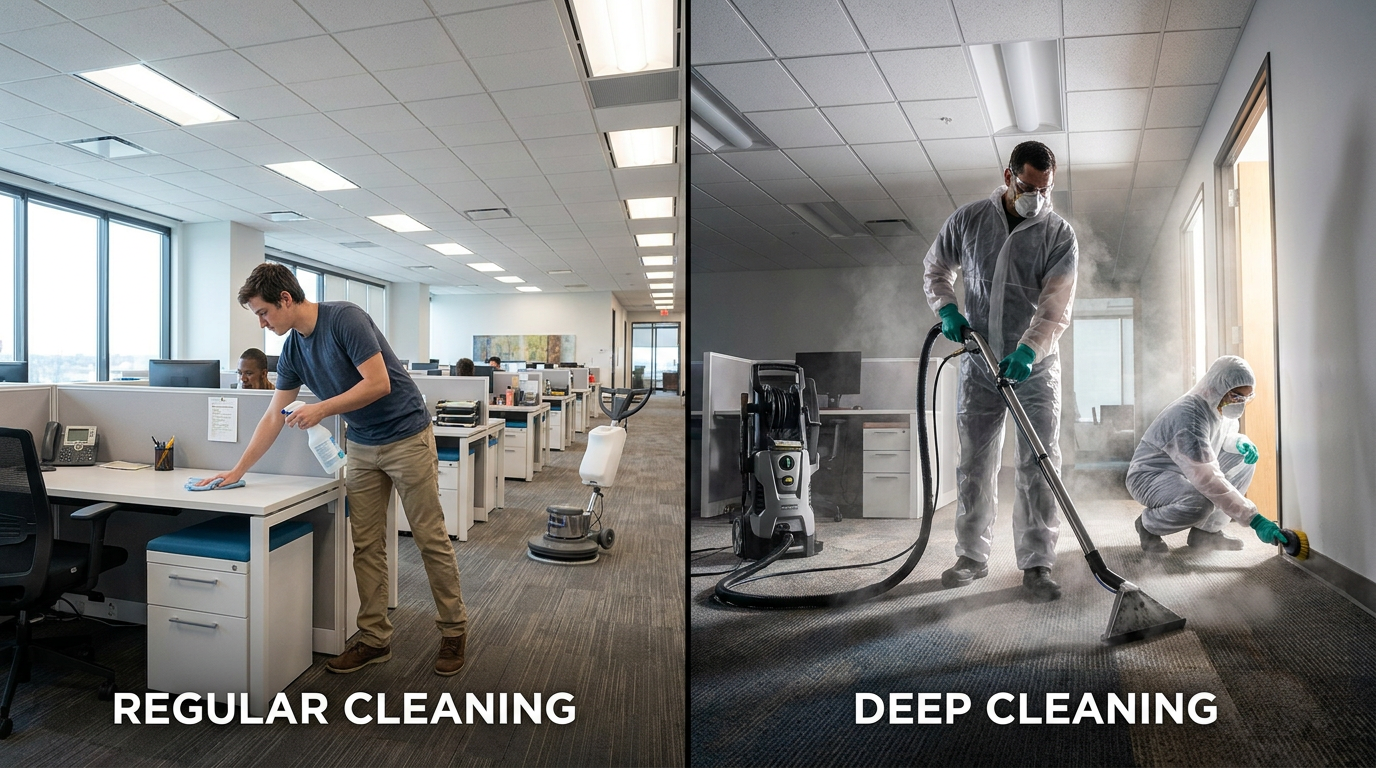
Commercial Deep Cleaning vs Regular Cleaning: Key Differences
Learn the exact differences between commercial deep cleaning and regular cleaning, including costs, frequency, tasks covered, and which service your business needs.
Read the guide
Ready for a Spotless Space?
Get a free, no-obligation estimate for your commercial cleaning project. Most quotes delivered within 24 hours.